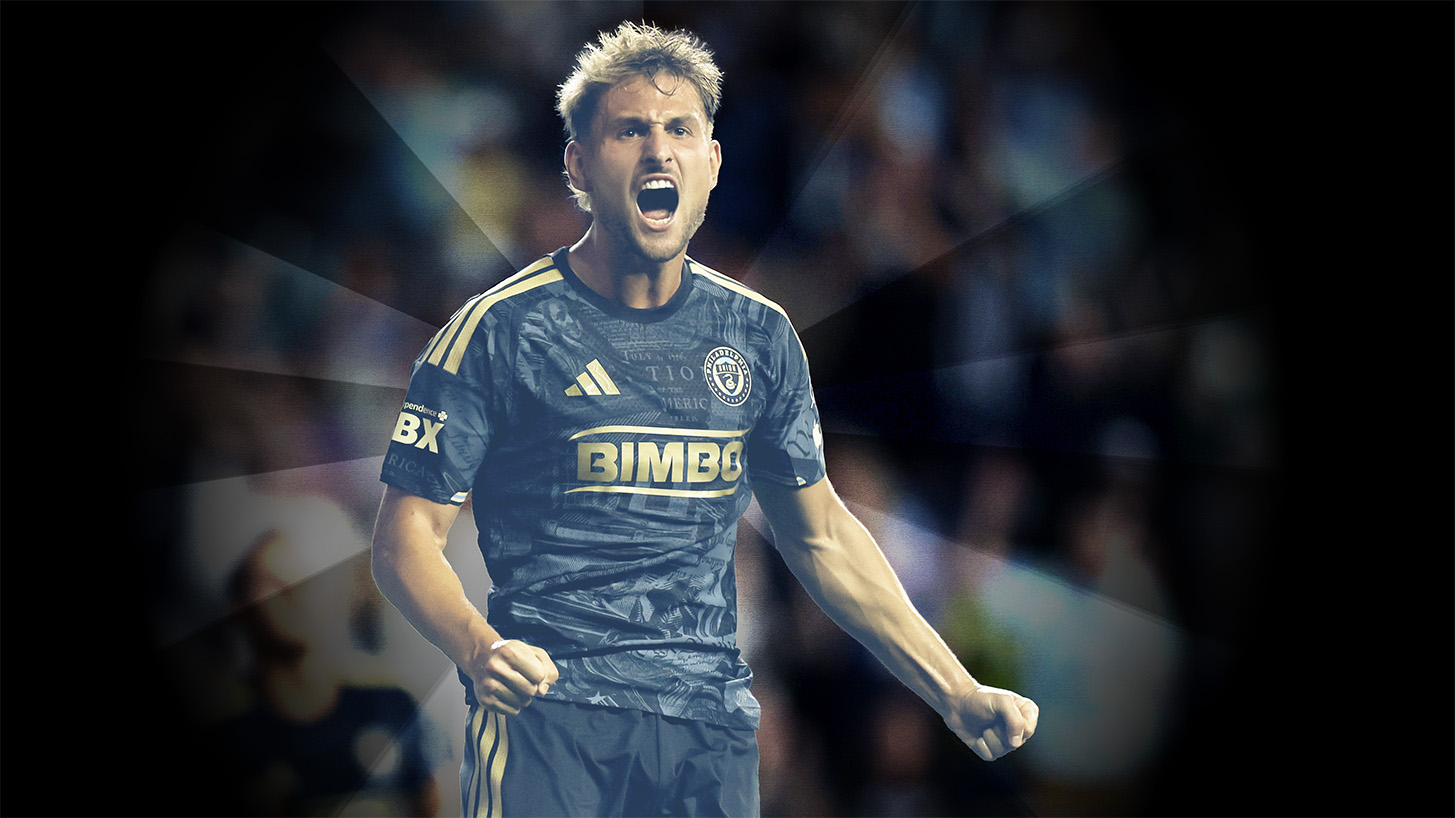
Philadelphia Union striker Bruno Damiani opens up about his MLS journey, the club’s remarkable resurgence in 2026, life in the United States, and his ambition to represent Uruguay on the world stage.
The Philadelphia Union are on a roll, going unbeaten in 14 consecutive MLS regular season games, and currently sit smack dab in the middle of the playoff hunt in the final stretch of the season. After a poor start that led to the firing of head coach Bradley Carnell, the Union have turned things around, with contributions from young talents Cavan Sullivan, Milan Iloski, Frankie Westfield, and Neil Pierre, as well as 24-year-old Bruno Damiani.
The former Nacional striker has found his footing in his second MLS season, and has surpassed his numbers from his debut year, having recorded 11 goals and two assists in 29 appearances.
Damiani sat down with Urban Pitch to discuss life in MLS, adapting to living in the United States, and his thoughts on Philadelphia’s famous cheesesteak.
Urban Pitch: After a turbulent start to the season, Philadelphia has found more consistency. How have you, Neil Pierre, and Cavan Sullivan adapted to your roles in the starting lineup, and what does the team need to maintain that form and reach the postseason?
Bruno Damiani: It has been a very different and unusual season for all of us. After a very good year last season, we had several young players taking their first steps or assuming greater responsibilities within the squad during the first six months. Those things take time.
We faced some pressure and a lack of results early on, but things eventually started to click, and we went on a great run. We know we’re in a great moment, and we’re looking forward to carrying that momentum and energy into the final stretch of the season.
How have you adapted to football in the United States, and what personal goals have you set for yourself this season, both in terms of scoring and overall development?
When I arrived in the United States, I saw it as a step forward in my career. I had some doubts, particularly about the league’s intensity, because in Uruguay, MLS isn’t followed that closely. There are still some outdated perceptions that it’s a league for older players nearing the end of their careers.
However, I found a league that was very different from what I expected, and the same was true of Philadelphia. The intensity of the training and the amount of work we do have really impressed me. I’m happy because it has challenged me and helped me grow as a player.
Right now, my main goal is to maintain consistency, score goals, and contribute to the team week after week. I believe focusing on the daily work has helped me get to where I am, and it’s what will allow me to keep improving. Throughout the year, I’ve also made time for extra training, working on specific situations beyond what the coaches plan in our regular sessions.
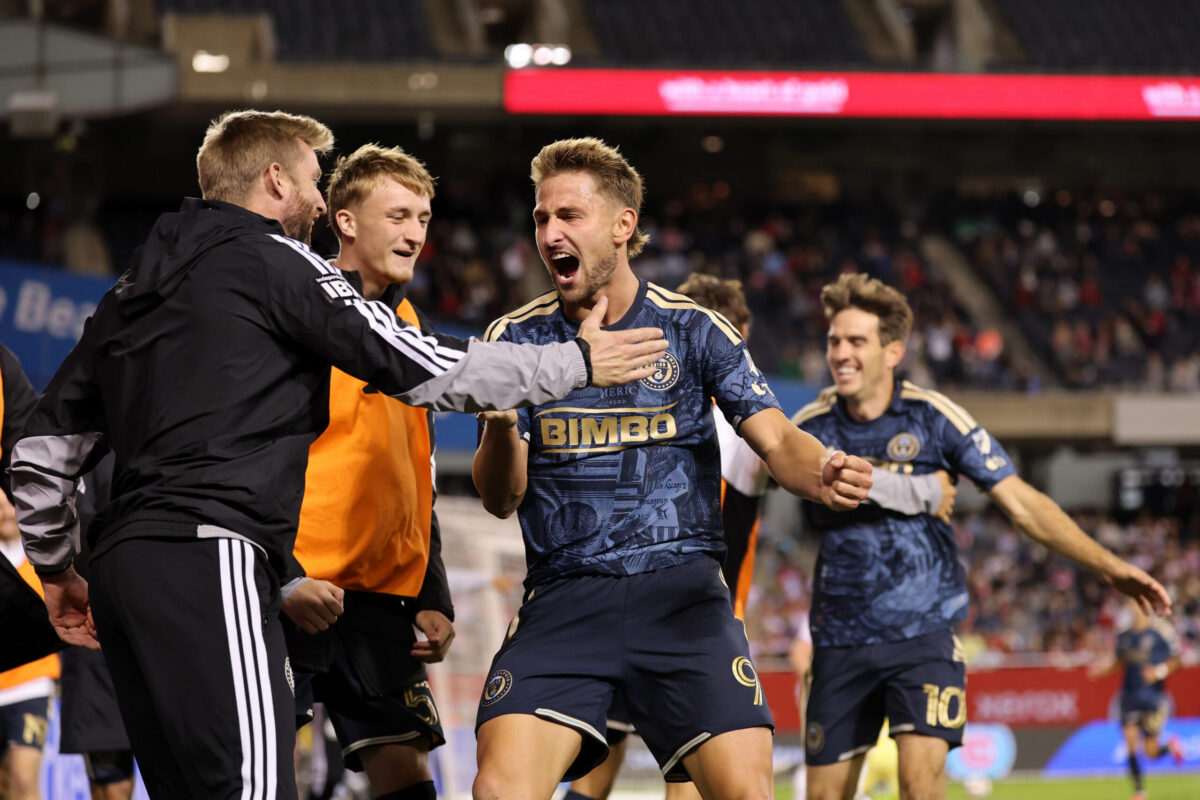
Philadelphia is a club known in MLS for developing players, which is quite different from the perception people might have when they look at clubs like Inter Miami, where the focus is often on the big-name stars. How did you decide that this was the MLS club that you wanted to go to?
MLS teams have very different strategies. Many focus on big names and players who have competed for some of the best clubs in the world, while Philadelphia has taken a completely different approach.
We have players under 18 in the starting lineup, as well as others aged 19, 20, or 21 who are already considered experienced within our team, even though they’re only beginning their careers. I think it’s no coincidence that Philadelphia was interested in me, because my playing style and characteristics fit the club’s philosophy, which is built around hard work and professionalism.
That has been evident since I arrived last year. I’ve played almost every game I’ve been available for, and I’ve been a regular starter. I’ve played every game this season, too. I think the club made a smart decision by recruiting players with specific profiles that fit the team’s system and overall style of play.
Rising With the Union’s Stars

With young talents like Cavan Sullivan, who is set to join Manchester City, and several other players involved with the U.S. national teams like Neil Pierre, Philadelphia is attracting plenty of attention. What is it like playing alongside these young prospects, and how do you get along with them both on and off the pitch?
I think the young players here have all gone through their own processes, especially the two you mentioned. Last year, Neil Pierre struggled to find a place in the team and went out on loan for the first six months of this season. He performed really well, returned with more experience and confidence, and immediately made an impact with important goals and strong performances. I’m really happy for him.
Cavan Sullivan, considering his age and all the attention surrounding him, I think he’s handled the pressure remarkably well. He’s understood the importance of being patient, continuing to work, and trusting the process. He’s improved significantly, particularly in his training, and that progress has been reflected in his performances. He’s now playing at a very high level and has become extremely important to the team.
Beyond those two, almost our entire starting lineup is made up of young players. I’m 24, so I have a little more experience than some of my teammates, but we’re still a young group overall. Even the players coming off the bench are young and developing.
I think our success today also reflects what we went through earlier in the season. Young players need to experience difficult moments because that’s how you learn, improve, and mature. I’ve gone through that myself, especially during my first experiences when things didn’t go as planned. Those challenges help you grow, and I think we’re now seeing the benefits of that process as a team.
Life in the United States
View this post on Instagram
You arrived in MLS already speaking English. How important was that in helping you adapt to a new country, settling into the league and communicating with your teammates and coaches?
Speaking English was definitely key. I was actually surprised by how well I could communicate, and after a month or two of speaking it regularly, I became much more comfortable and fluent.
It made a huge difference when I joined Philadelphia last year because the group was already well established. Being able to communicate helped me build relationships, contribute to the team, and get to know my teammates on a personal level. I met people I could imagine being friends with for life, even though some of them have since moved on. Those connections were essential to helping me settle in and bring out the best in myself.
At first, it was difficult to find time to explore the city because I was still studying at university, and everything happened so quickly when I arrived. With games every weekend and so many changes to adjust to, it felt a little chaotic. But gradually, I started finding my own places around the city, spots I particularly enjoy and that have become meaningful to me.
Are you studying in the United States or Uruguay taking classes remotely while playing in MLS?
I’m studying remotely. I’m pursuing a degree in Business Administration and Management.
View this post on Instagram
When you travel to other cities for games, do you get much time to explore and experience the places, or is your schedule too busy?
Generally, when we travel for away games, we leave after training the day before and arrive at around 4 p.m., so we usually have some time to explore. Last year, we had a habit of going out in groups to grab a coffee or visit a nearby café. It was nice because it gave us a chance to walk around and get to know the cities a little better.
This year, things have been a bit more flexible, so it varies. Sometimes we have time to go out, and sometimes we don’t. There are some beautiful cities that make you want to get out and explore, while others don’t necessarily have the same appeal. But overall, the quality of life, the cities themselves and the league make it a really nice place to live and play football.
Have you tried Philadelphia’s famous cheesesteak?
Yes, I have! I found it a little too greasy and heavy for my taste, but obviously, it’s delicious. I mean, who doesn’t like bread, meat, and cheese?
Coming from Uruguay, the land of the chivito, it probably takes something special to impress you when it comes to sandwiches, right?
Exactly, exactly!
Have you ever run up the famous Rocky Steps in Philadelphia?
Yes, I’ve been there! I’ve had relatives visit who wanted to run up and down the steps, but I’d rather watch them from the sidelines. I’ve been there plenty of times after games, and the last thing I want to do after a match is go for another run!
A Uruguayan Dream
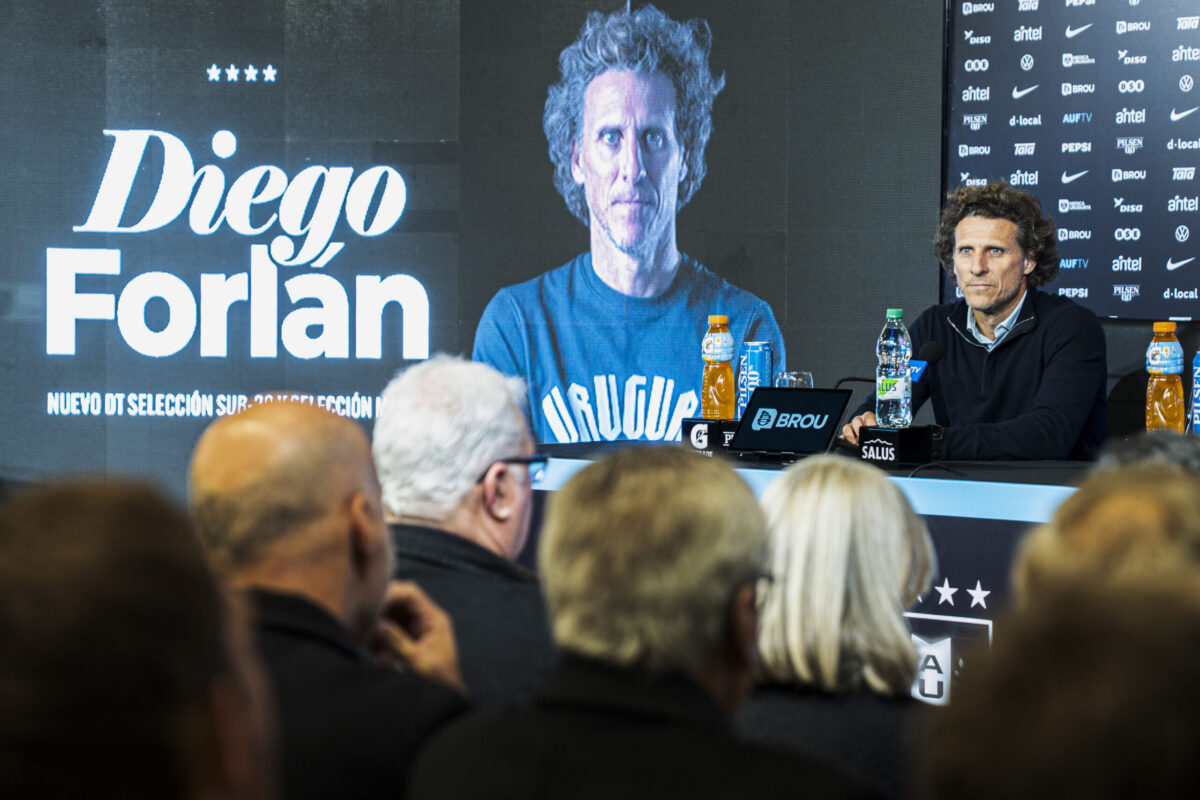
With Diego Forlán beginning a new cycle with Uruguay and scouting players abroad, what do you think you need to do to earn a call-up? He has already communicated with Justin Ellis, while Marcelo Bielsa seemed less inclined to consider MLS-based players. Do you think that perception is changing, and how do you see your chances of getting into the national team?
Yes, I agree with everything you said. Under the previous national team coach, it seemed that MLS players weren’t given as much consideration, which may have encouraged some players to leave the league to improve their chances of earning a call-up. At least, that was the perception in some cases.
I think it’s a positive message that MLS players are being considered. There are several players in my position who aren’t in the national team but compete in Spain, Italy, and other leagues that are generally perceived to be at a higher level.
Personally, I take things calmly. My dream, like any Uruguayan player, is to represent the national team and play in a World Cup. But I focus on my day-to-day work and doing everything I can to go as far as possible. I’m proud of what I’ve achieved so far, and I don’t know where it will take me, but I hope that one day I’ll have the chance to wear the national team jersey. It would be an enormous source of pride.
Quick Hit Questions
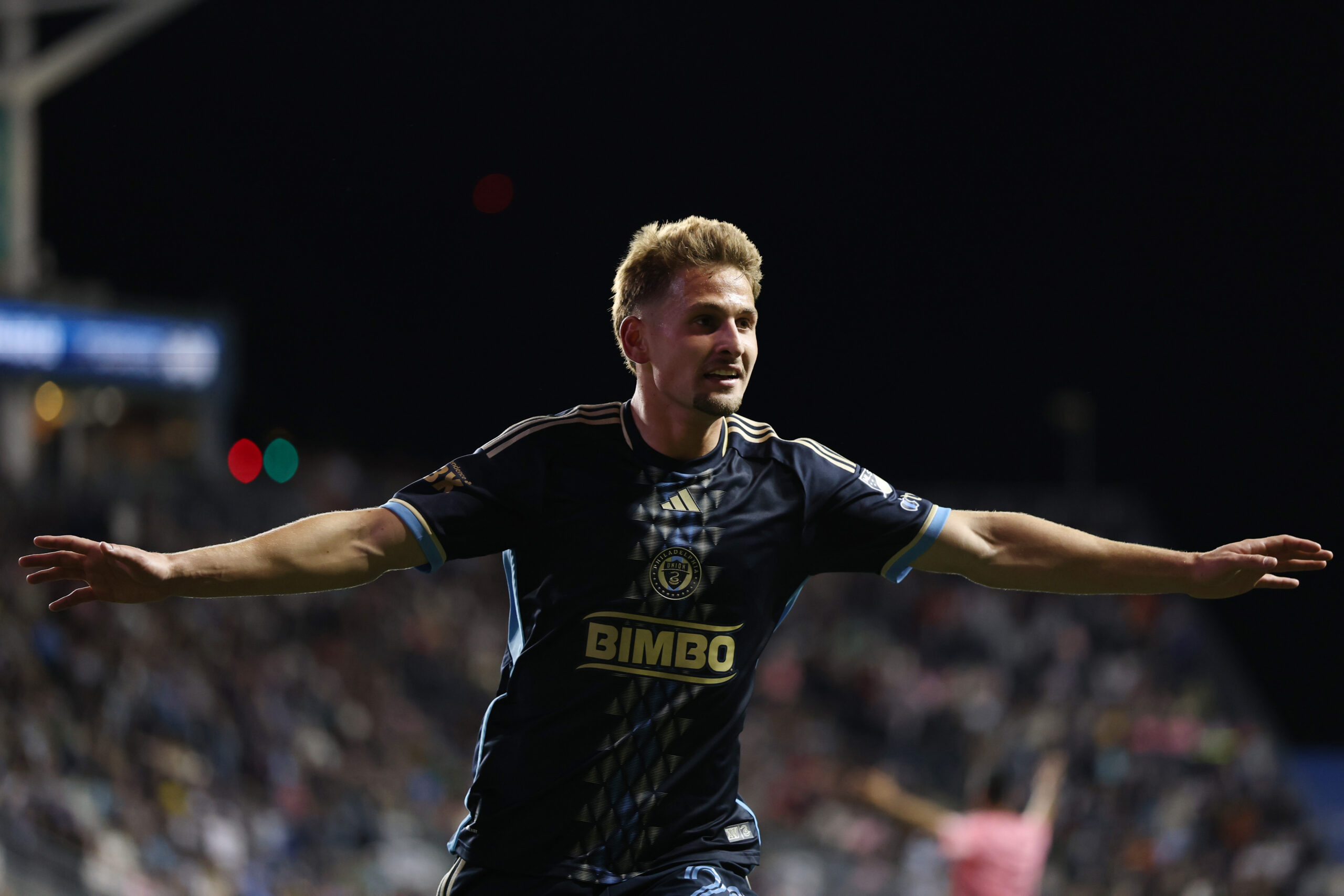
What’s your favorite movie?
I recently watched one called Fracture. I don’t know if it’s my favorite, but it’s a good one.
Favorite book?
I can’t remember the title of my all-time favorite, but I recently read Never Lie, which is a good one. I also enjoy personal development books, like The Monk Who Sold His Ferrari.
Favorite food?
Asado. Definitely the Uruguayan asado!
Favorite musician or band?
I like Uruguayan rock. I listen to La Vela Puerca, although my favorite is Cuarteto de Nos.
Do you listen to them in the locker room, too?
No, that’s not really the music we listen to in the locker room. There, I usually put on plena, which is more closely associated with the football world.
Who’s your favorite athlete outside football?
I don’t really have one.
You can say Allen Iverson if you want to keep everyone happy.
I could say LeBron James. (Laughs)
Who’s the greatest Uruguayan footballer of all time?
Luis Suárez, definitely.
Is he also your favorite player?
Yes, he’s a role model for me, too. And he played for Nacional, so that makes him an even better choice.
Speaking of Nacional, what does the club mean to you?
Practically everything when it comes to football. It’s the club where I had the opportunity to train, make it to the first team, fulfill my dream of making my professional debut and eventually earn a move abroad.
But it’s also a huge part of my life beyond football. I’ve always been a Nacional supporter. My father passed that passion on to me, and my brother only made it stronger. The club means a lot to me.
Do you think it’s difficult to explain that kind of club identity and passion to your teammates in the United States, where teams operate more like franchises?
I think they understand it. They’re passionate people, too. But when you compare clubs with a long history and tradition in South America to teams in the United States, some of which have only been around for 25 years, it’s difficult to have exactly the same kind of connection and passion.