
In partnership with Right to Dream, San Diego FC has created the first fully residential academy in MLS, and it is fully committed to producing truly world-class talent both on and off the pitch.
San Diego is often overlooked as a sports city. It has a history of being jilted, with the NFL’s Chargers and NBA’s Clippers and Rockets leaving the sunny locale for supposed greener pastures elsewhere, but that has opened the door for newcomers to step in and take their places.
San Diego FC is one such example, bringing top flight men’s soccer to America’s Finest City for the first time in nearly 50 years when it joined MLS as an expansion team in 2025. And with the help of executive vice president Jeff Cook, the franchise has created an academy that is unlike any other in the league.
Cook was instrumental in building the highly successful academy of the Philadelphia Union, which has churned out United States men’s national team players including Cavan Sullivan, Mark McKenzie, and Brenden Aaronson, and while he’s looking to produce similar results with SDFC, it won’t exactly be the same formula this time around.
View this post on Instagram
One of only three MLS teams that don’t have an MLS Next Pro affiliate, San Diego’s academy is part of the Right to Dream system.
Founded by Tom Vernon in 1999 when he was Manchester United’s head scout in Africa, Right to Dream opened its first academy in Ghana, and has now expanded to Denmark with FC Nordsjaelland, Egypt with FC Masar, and on February 4, 2025, it opened the first ever fully residential academy in MLS history with San Diego FC.
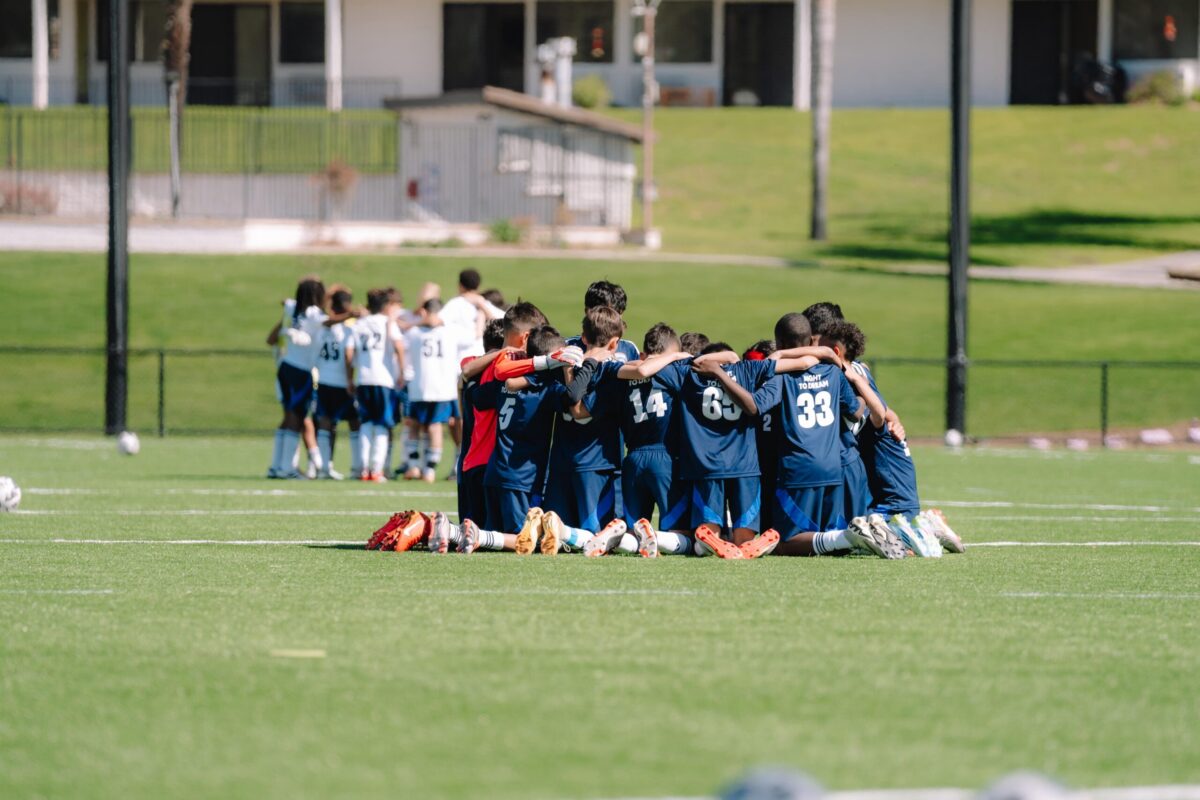
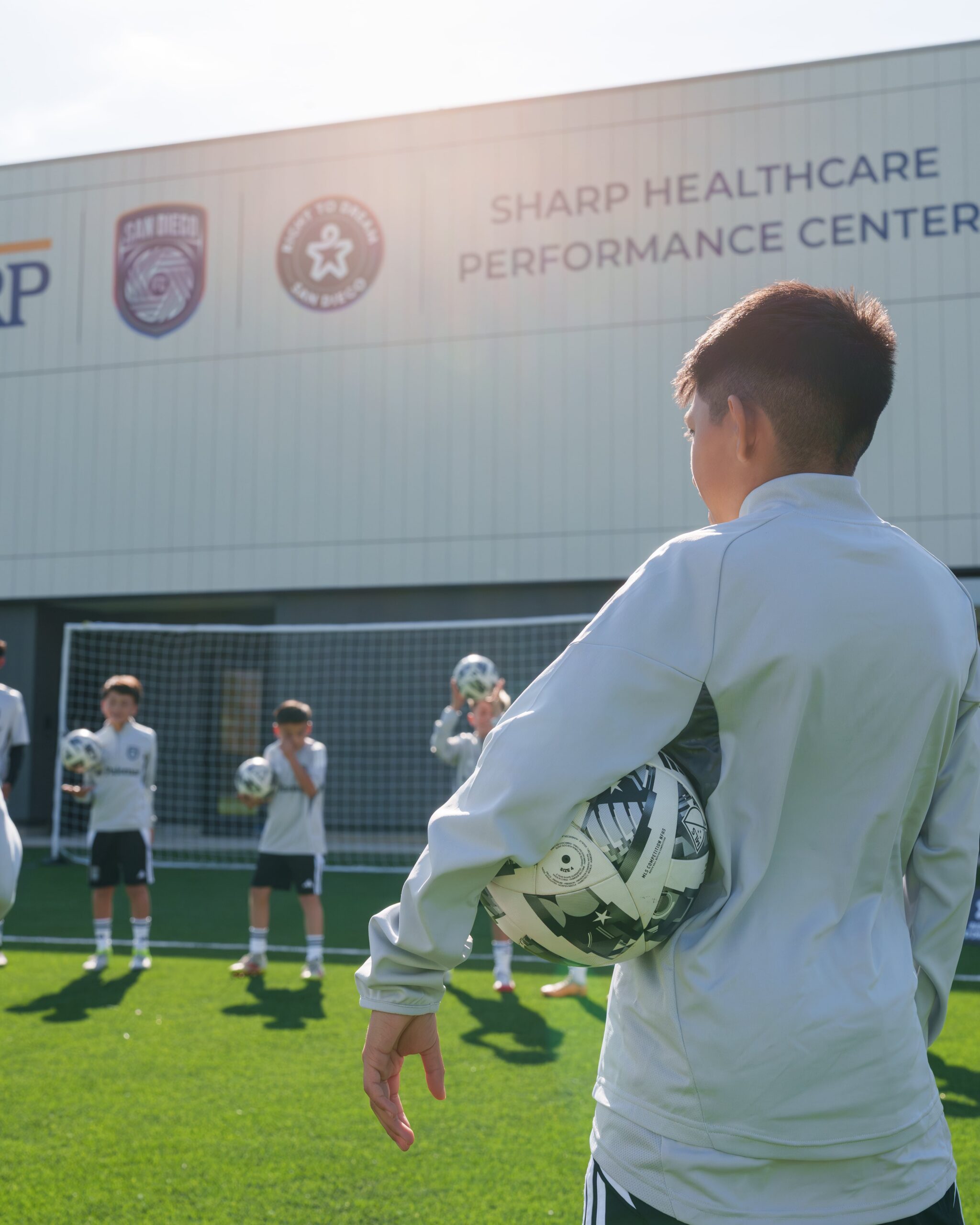
Based on the Sycuan Reservation east of El Cajon, the 28-acre site includes a 50,000 square foot building with five full-size fields and one half field, and can accommodate up to 120 student-athletes on its campus. The academy features dedicated dormitories on the same campus where the first team trains, creating an immersive professional environment for youth players spanning grades six through 12.

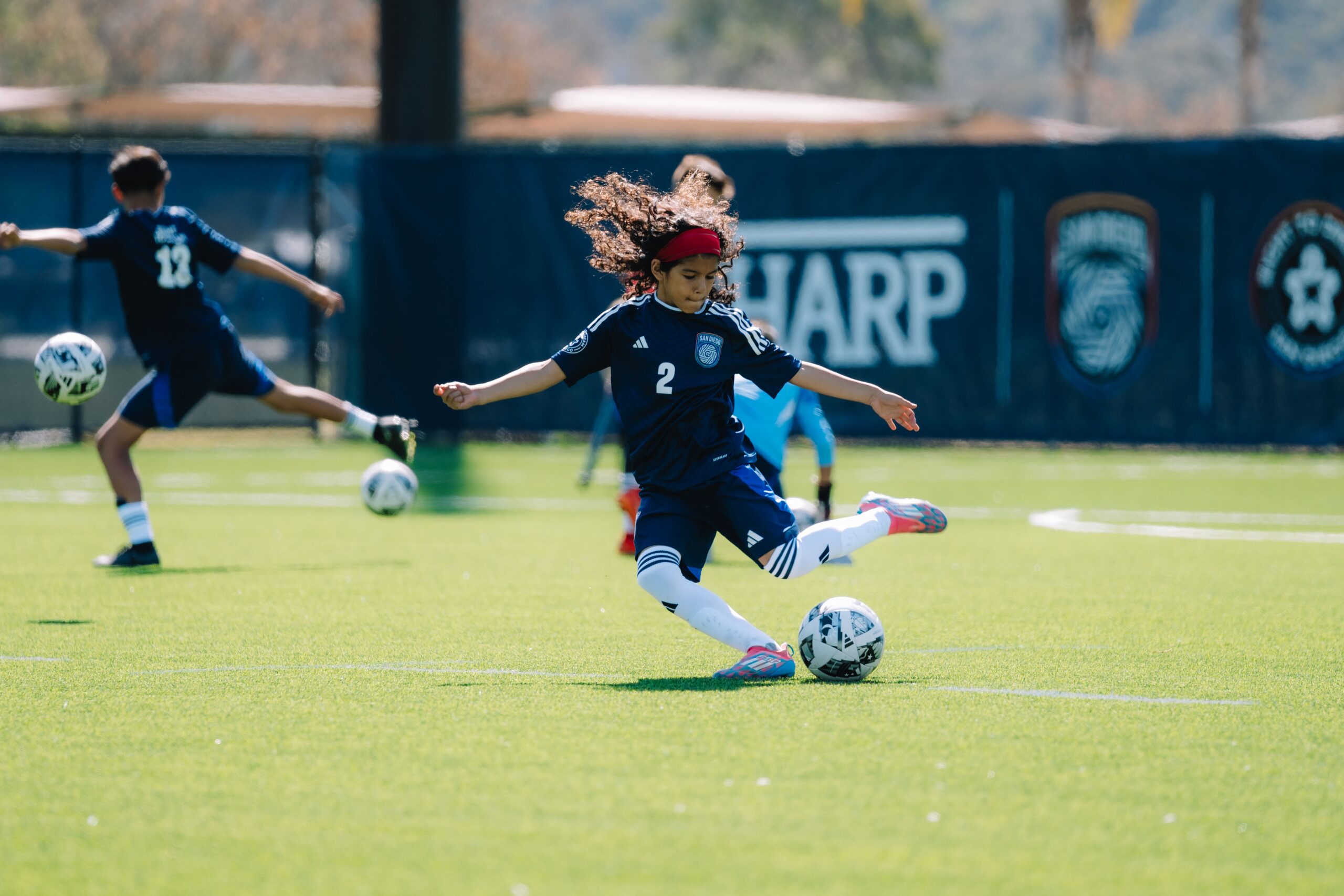
According to Cook, San Diego’s Right to Dream academy started with a U13 team with 19 student-athletes, and has now added U14 and U16 teams which has brought the total amount of players to 53.
“It’s been very rapid growth,” Cook said in an exclusive Urban Pitch interview. “We have top talent in our academy, and I think we’re 18-24 months away from seeing someone extraordinary like Cavan Sullivan emerge, but I would never want to put the expectation or pressure on one of our 15-year-olds. Could it happen? Absolutely, we want it to happen. We have an incredibly supportive and brave manager in Mikey Varas, [Sporting Director] Tyler Heaps, and we are all unified.
“We want academy players representing the first team as soon as possible. As United States soccer fans, we’re committed to the growth of the game in this country, and we’re producing some outstanding players. I think that is the next target to continue this pipeline of guys who I’ve worked with closely, like Paxton and Brenden Aaronson, Auston Trusty, Matt Freese, and Mark McKenzie. I think we’re not far away from the first truly world-class player coming from within the MLS ecosystem, and hopefully, he will be coming through San Diego’s ecosystem in the near future.”
The goals are big for San Diego, but they’re measured as well. Cook and the entire team know that they have to keep things realistic, especially so early on in the club’s existence.
“It won’t be easy, but the club is committed to having a squad full of academy players playing first-team minutes in five years,” Cook said. “We know it’s going to take a lot of work, but given the fact that we’re only one year and two months into our academy life, we have to manage our expectations because we haven’t really done anything yet, and we haven’t had the opportunity to.”
For Cook, the biggest green flag from working with Right to Dream has been how it measures success. Instead of being strictly focused on short-term wins and match results, the program prioritizes overall development along with the team’s methodology and style of play — something that’s often preached by clubs but rarely actually practiced.
“Our learning plans and the progress of our academy players are based around a vision of the game that we share,” Cook said. “We’re not claiming that the way that we do it is the only way or the best way, but we do say it’s our way, we commit to that, and we stay steadfast to that commitment.
“We’re always thinking about — what is the game of the future going to look like? We have a 13-year-old player, what is that young woman or man going to need to do when they’re 20 to be successful in the game? How do we think forward to that outcome of what we see in trends and patterns in the game, looking at elite football?”
Cook was able to share more about the Right to Dream vision with San Diego as we sat down with him for a Q&A interview.

Urban Pitch: How pleased have you been by San Diego FC’s ability to lower the financial barriers and give middle-class families a chance to have their kids play in their academy?
Jeff Cook: I feel so fortunate. Having spent a lot of time in three different schools as a Division I head soccer coach, it’s so nice not to talk about percentages and scholarships. This is fully funded and we’re so grateful to the ownership, the Mansour family, the Sycuan Band of the Kumeyaay Nation, and our other ownership partners. We have an incredibly committed group that want to provide this opportunity to grow the game and give young people these life-changing opportunities. One of our other sayings is that talent exists everywhere, but opportunity does not. It’s about opportunity. The financial means or ability for a family to pay is not a factor in our selection process, and it’s a game changer.
View this post on Instagram
San Diego FC is the only MLS team that shares an international border. How difficult has it been to give kids from neighboring Tijuana an opportunity in the academy given the current environment regarding immigration?
We have a great relationship with Xolos and have played them in a few events like the Baja Cup, and we have talent scouts in Tijuana because it falls within our official homegrown territory as dictated by MLS’s homegrown rules. The challenge is the FIFA rules regarding player movement, which we are very supportive of. It’s appropriate that players shouldn’t be moving across borders. There are some nuances in the FIFA rules we’re looking into because we feel the opportunity for student-athletes from these regions is truly life-changing outside of football.
Under FIFA rules, you can’t move across a border until you’re 18 for footballing reasons. We do have two players in our academy from Tijuana, but they must remain in their home city, and that’s what we adhere to. That’s super challenging: the border crossings, those sorts of things, but our school does a wonderful job. It’s fully accredited, and we work with schools in Tijuana, but we’re very active. The whole San Diego binational region is an amazing, talent-rich area, and we want to capitalize on that.
So much of your job is looking at young soccer players and trying to project where they will be in six years. What are the biggest markers that give you a clear idea of this player’s potential?
I’m so glad that you asked this question because it gives me an opportunity to say that we know we’re going to make mistakes in player identification. The difference with Right to Dream is we do not ever deselect a player anywhere in the world. If we take a young player and commit to their family at that age group, they are here until they graduate high school or sign a professional contract. We take it very seriously that we’re making a commitment. I don’t think any player is ever a mistake. But if we’re not correct regarding their football potential, that’s on us.
We’re going to continue to support that student-athlete to have an incredible pathway, even if that pathway isn’t professional football. That’s the first thing. We look at Right To Dream to recruit young, sometimes with a bit of a focus on late developers. We’re looking for players with a special characteristic: deception, 1v1 dribbling ability, game recognition and vision, a special power. We look for game understanding. We very much look for coordination and movement qualities.
It doesn’t mean someone has to be the fastest guy. We are focused on late developers and recruiting young. For example, our current U16 team is made up of 2011s and 2012s, almost divided 50-50, and some of our U15s are two or three months away from being U14s. It’s a very young group, and if you look at our first team roster, I think we’re still leading the league in minutes in U21 players right now, even though they’re not homegrown players yet, because we haven’t had time.
It’s taking me a long time: I’m not done yet with learning the difference between recruiting for potential versus performance. Tonight, I can go out and tell you who I think the best-performing four or five kids at our Talent ID center. But our scouts, we are trying to become experts in identifying who has potential through these areas of game understanding, decision-making, vision. Is there a special quality? What kind of coordination and movement patterns do we see in these young people?
Lastly, San Diego is the first team in MLS to have a fully residential academy. Do you think that there’s potential for San Diego to do what Barcelona did with La Masia and produce a world-class academy?
Yes, I absolutely feel we can do that here in San Diego. That’s a tall task. You’re talking about the world’s best and one of the best, if not probably the best academy in the history of world football, but we absolutely aspire to be in that category. I think the foundation of what we try to do is to base the decisions we take on actual research and data.
Our new technical director, Chris Docherty, did extensive research on youth development growth, and one of the things that was discovered is that among elite players who reach the Champions League or World Cup level, there’s a disproportionate percentage that moved away from home at a young age to pursue their dreams. It’s not so much that you have to be born in a big city, but when you think about some of the world’s great players, a big percentage of them moved to be in residence.
We are trying to replicate that model, and the beauty of it is that we have incredible support from the players’ families. We do a lot of interaction and integration with the family. We are not trying to replace anyone’s family, but we’re trying to provide an intensive, all-encompassing environment that can really focus on development.
We work for six-week cycles and take a week off, and there are two home contact points during the week. It’s not like a young person going to university and checking into the dorms in August and coming home for Christmas. I think the opportunity for us to be immersive, to focus on the training, to integrate the school, to really work intentionally on character and values is only fully possible in a full-time residential environment. That’s what we believe.