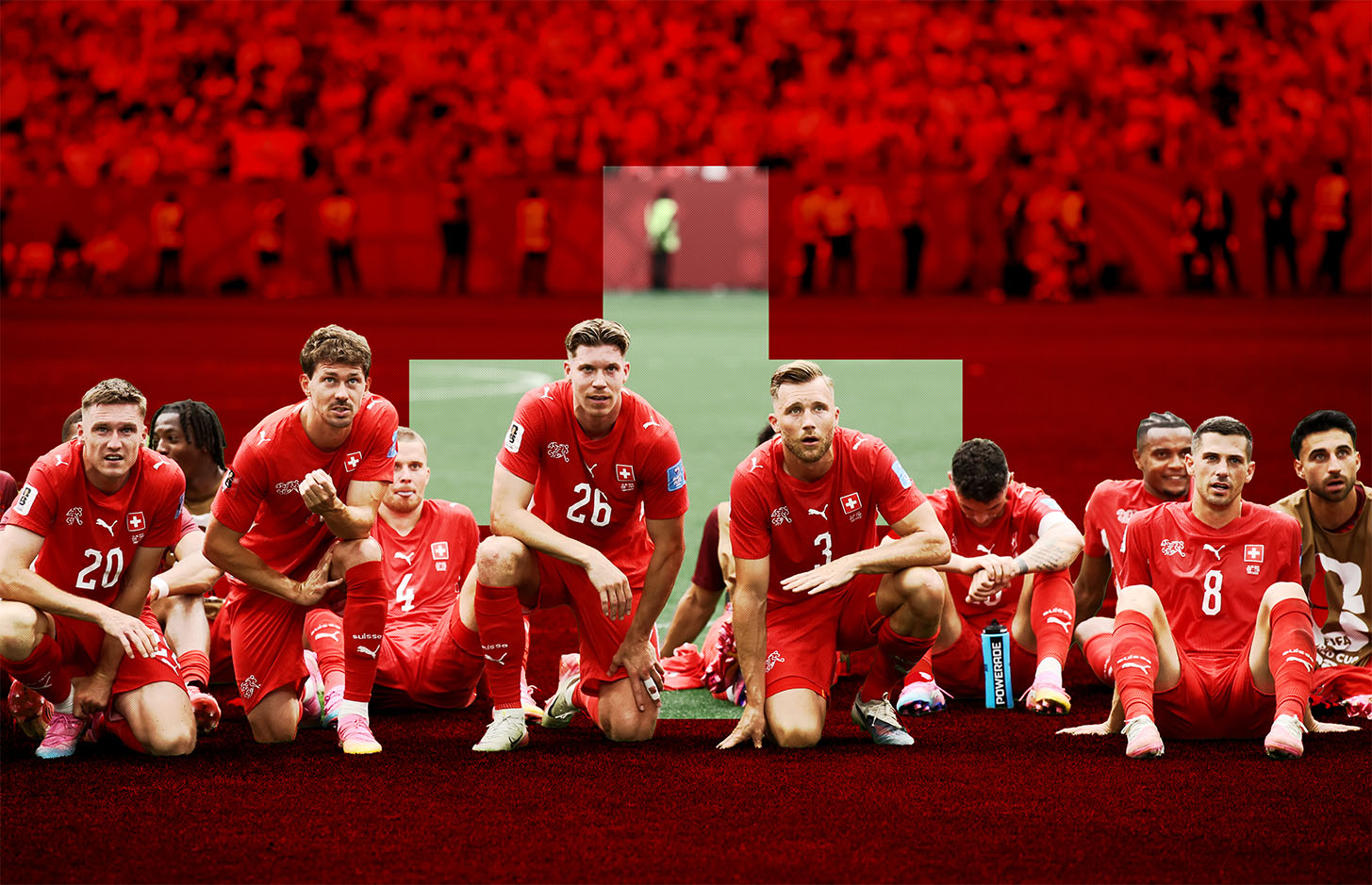
Long overlooked in favor of flashier sides, don’t be surprised if Switzerland’s golden generation makes a deep run in the 2026 FIFA World Cup knockout rounds.
Over the past two decades, we’ve seen quite a few golden generations across world football. There’s Croatia, who won the silver and bronze medals in the last two editions, Morocco, who in 2022 became the first African team to ever reach the World Cup semifinals and once again look like a threat to established powers in 2026, and Belgium, who despite never really reaching its full potential, still finished in third place at the 2018 FIFA World Cup.
Elsewhere, there’s Senegal, who won two of the last three Africa Cup of Nations (having never won before), and Norway, who have lived up to the dark horse hype at the 2026 World Cup.
With so many teams on the rise, it’s easy to overlook Switzerland. But with a population of just 9 million, the nation has emerged as a competitive force that consistently punches above its weight.
Many world cup betting sites have the Swiss on the outskirts of the title odds, but while they may not be favorites to win the whole thing, don’t be surprised if they make a deep run in the knockout rounds.
We can look to the past few European Championships for examples. In 2021, Switzerland knocked off reigning world champions France on penalties, and nearly took out Spain in the quarterfinals, succumbing to penalties themselves.
Four years later, the Nati would eliminate another reigning title holder in Italy, and took a late lead against England in the quarterfinals, only to concede an equalizer to Bukayo Saka minutes later and lose 5-3 on penalties.
Since that heartbreaking defeat in Düsseldorf, there have been quite a few wholesale changes to the team. Xherdan Shaqiri, long considered the team’s attacking talisman, retired from international duty in the summer of 2024, along with veteran defender Fabian Schär and ageless shot-stopper Yann Sommer. Together, the trio combined for over 300 caps for the national team.
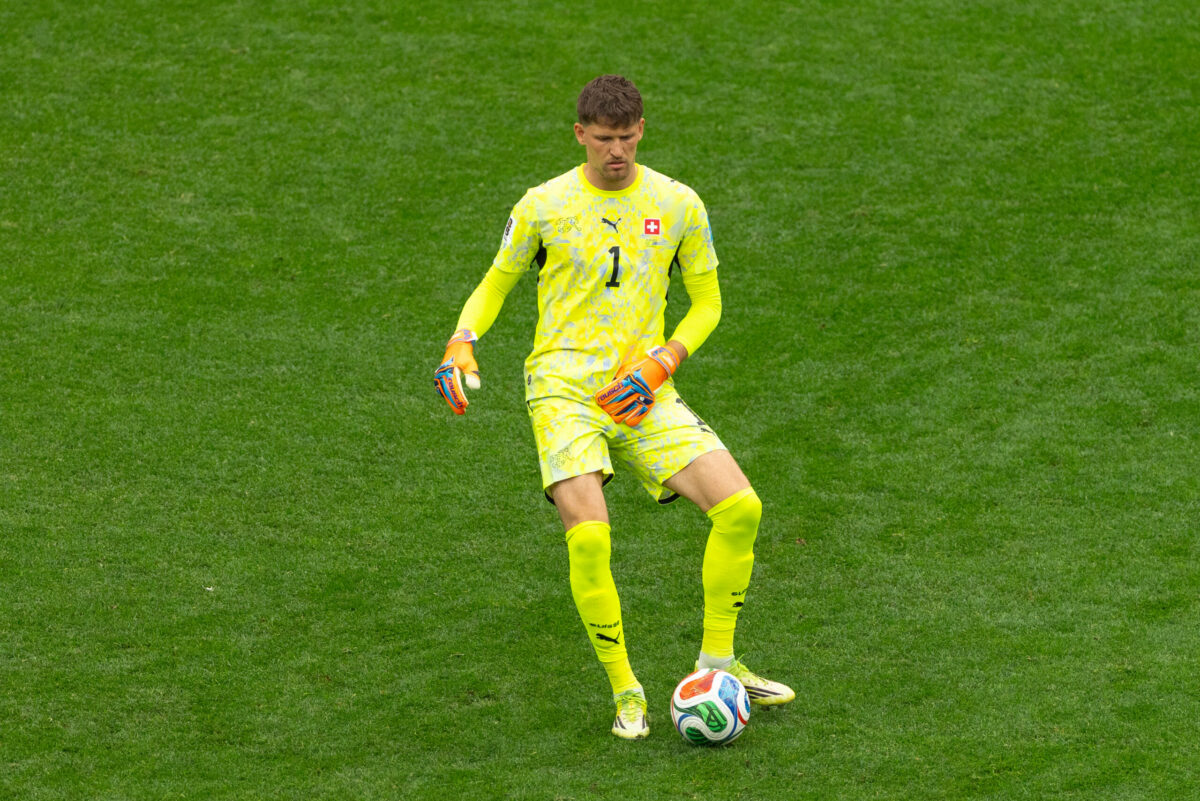
However, Switzerland had a readymade replacement for Sommer in Gregor Kobel, who had already established himself as one of the Bundesliga’s top goalkeepers and had just spearheaded Borussia Dortmund to the UEFA Champions League Final.
“I think it’s normal,” Kobel said to Urban Pitch. “There’s only one guy who plays in goal, so I just want to do a good job for my team, be there, enjoy every moment and have the chance to play for my country. It’s a blessing.”
Given that it serves as the headquarters for both FIFA and UEFA, one might expect Switzerland to be a prolific footballing powerhouse. But the nation has never won a major trophy, and has never progressed past the quarterfinals at either the World Cup or EUROs. A silver medal at the 1924 Summer Olympics is the only hardware the senior team can boast.
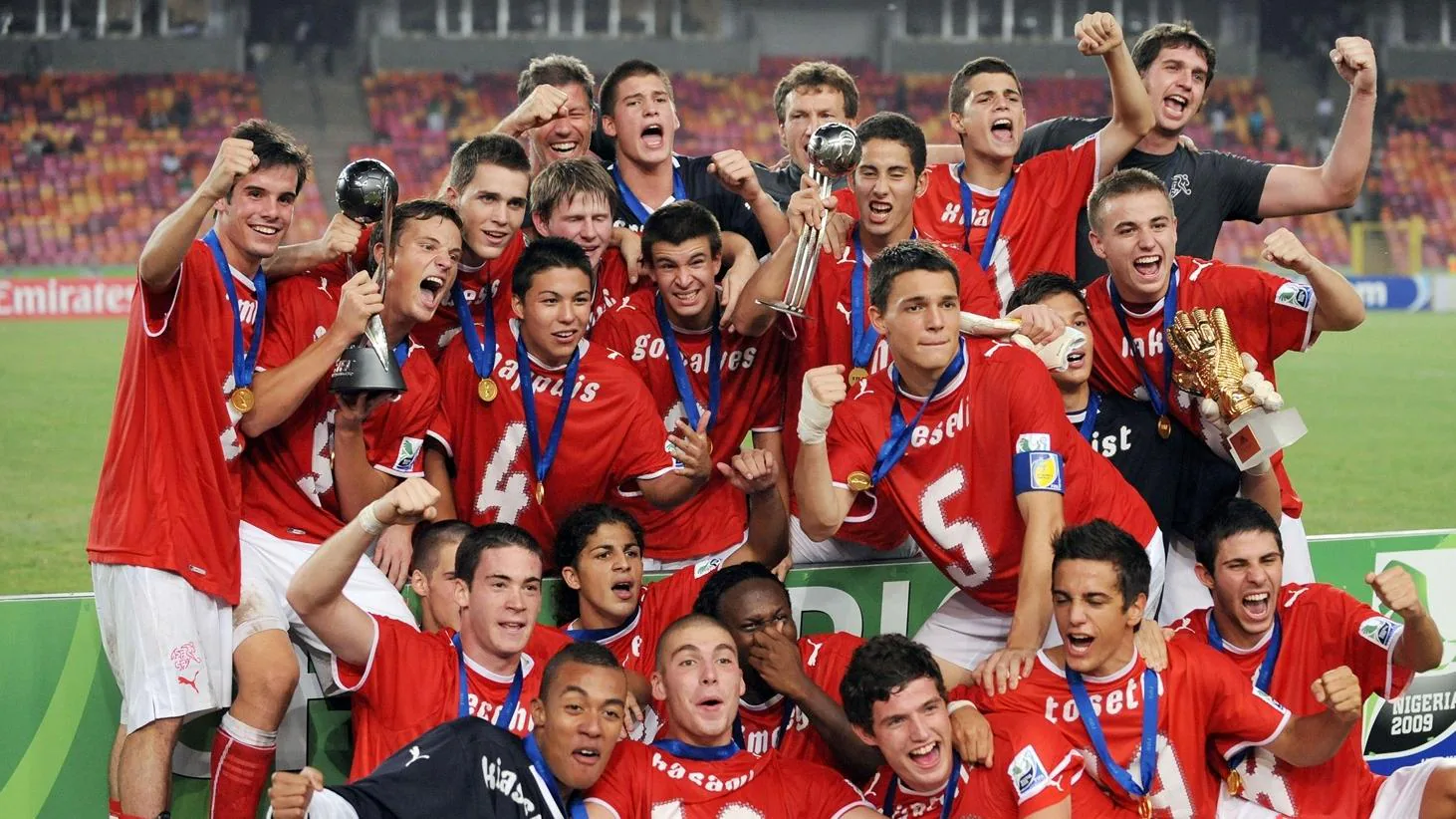
However, in recent years, the Swiss have started to make inroads, evolving from an inconsistent collection of individuals into an elite powerhouse that is capable of going blow for blow with the very best. The Swiss revival first emerged in 2009, when a team featuring Ricardo Rodriguez and Granit Xhaka defeated hosts and title holders Nigeria in the U-17 World Cup. Fast-forward to today, and no Swiss international has more caps than Xhaka (148) and Rodriguez (140).
“Maybe I’m like a red wine — the older, the better,” stated Xhaka to Urban Pitch. “I’m not a big fan of comparing myself or teams, but I want to continue as long as possible.
“I think that we have a very good generation that’s been playing with each other for many years. The young players are coming up and showing us hard work as well, because we need to work with them, they need to work with us, and we are just trying to stick together like a team. This is what makes us very strong.”
Two years after winning the gold in Nigeria, Xhaka, Sommer, Shaqiri, and a flock of other future internationals headed to Denmark for the U-21 EUROs, where, after topping their group, they edged Czech Republic in extra time before losing to Spain in the final. The following summer, these players headed to London to compete in the Summer Olympics, and in 2014, they’d all make the Swiss World Cup squad.
Together, they helped guide Switzerland to three straight World Cup knockout round appearances, though they’d lose each round of 16 match: Argentina in 2014, Sweden in 2018, and Portugal in 2022.
This time around, it’s been somewhat different. Out of the 2014 squad, only Xhaka and Rodriguez remain, but a talented group that includes defender Manuel Akanji and forwards Ruben Vargas and Breel Embolo has put together strong performances throughout the group stage.
The Swiss bounced back from a disappointing draw to a lackluster Qatar side in their opening match, defeating Bosnia and Herzegovina and Canada to finish atop their group.
“I think it’s about working as a team: we don’t have so many world-class players that are on the highest level like the best teams in the world have, but when we work together as a team, we can be really good and hurt anybody,” said Akanji to Urban Pitch following Switzerland’s 4-1 win over Bosnia and Herzegovina.
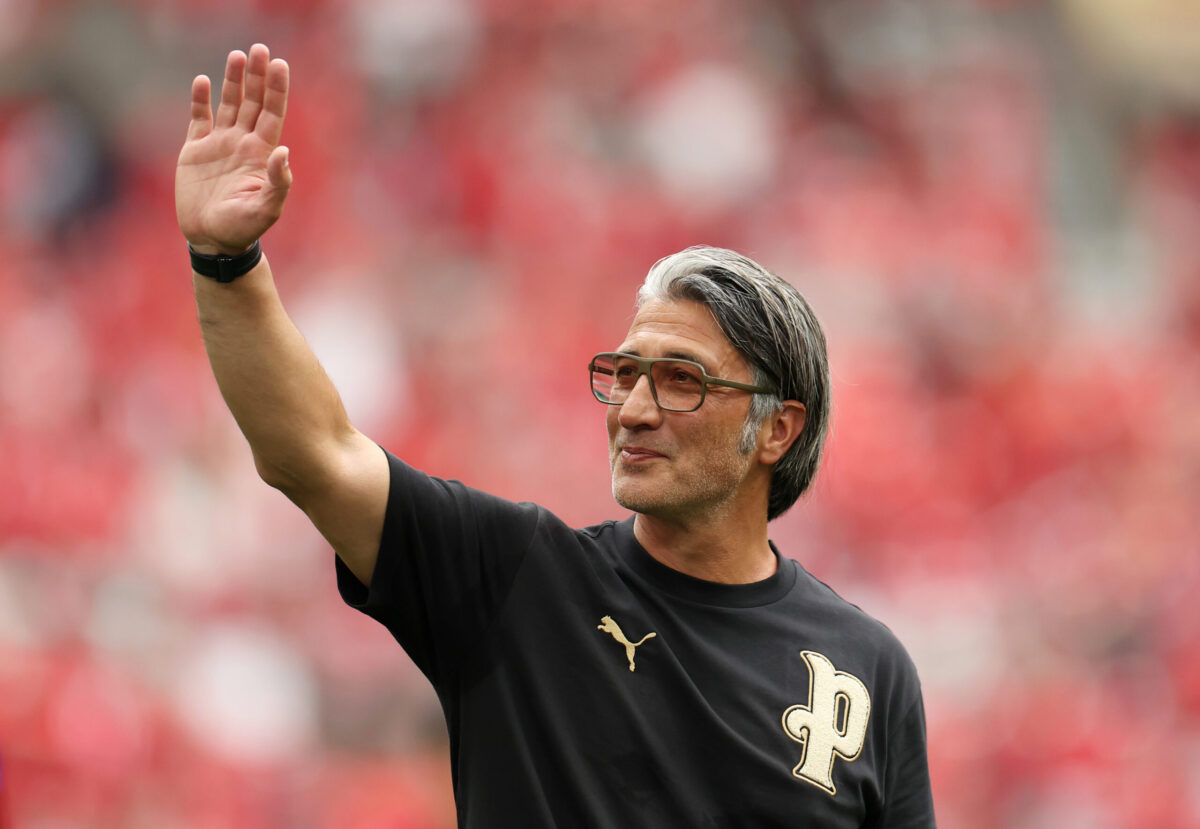
Manager Murat Yakin has tweaked his team throughout the group stage: while Kobel, Akanji, Rodriguez, and Nico Elvedi have made up the bulk of the defense, he’s gone with three different right backs in three different games in Denis Zakaria, Silvan Widmer, and Luca Jaquez. Xhaka and Remo Freuler have filled the double pivot, while Embolo has remained the team’s No. 9.
But while Michel Aebischer and Dan Ndoye started the first two games, they ceded their places for Djibril Sow and Vargas versus Canada. Fabian Rieder, drafted into the XI against Bosnia, made way for Johan Manzambi. It worked like a charm, with Vargas opening the scoring after halftime and Manzambi doubling the lead. While Promise David pulled one back, the Maple Leaf Mafia wasn’t able to secure a vital equalizer that would have seen Canada stay at home in the knockout round.
Switzerland has topped its group for just the second time (2006), allowing the team to stay in Vancouver for its round of 32 matchup against Algeria. A win would keep the Swiss in British Columbia for the round of 16, where they’d face either Colombia or Ghana.
It won’t be an easy journey whatsoever, but Switzerland is eyeing a trip to the quarterfinals for the first time since 1954, a tournament which it hosted. So how did the Swiss build this consistently strong squad?
While the seeds of Switzerland’s footballing resurgence have germinated over the past 15 years, they were first sown in the late ’90s, back when the nation was rousing itself from a 24-year hibernation from the World Cup and commercializing its football. The Swiss Football Association completely restructured its youth coaching and talent identification programs, establishing elite regional training centers and partnering with professional clubs to create a seamless pathway for teenagers to turn professional.
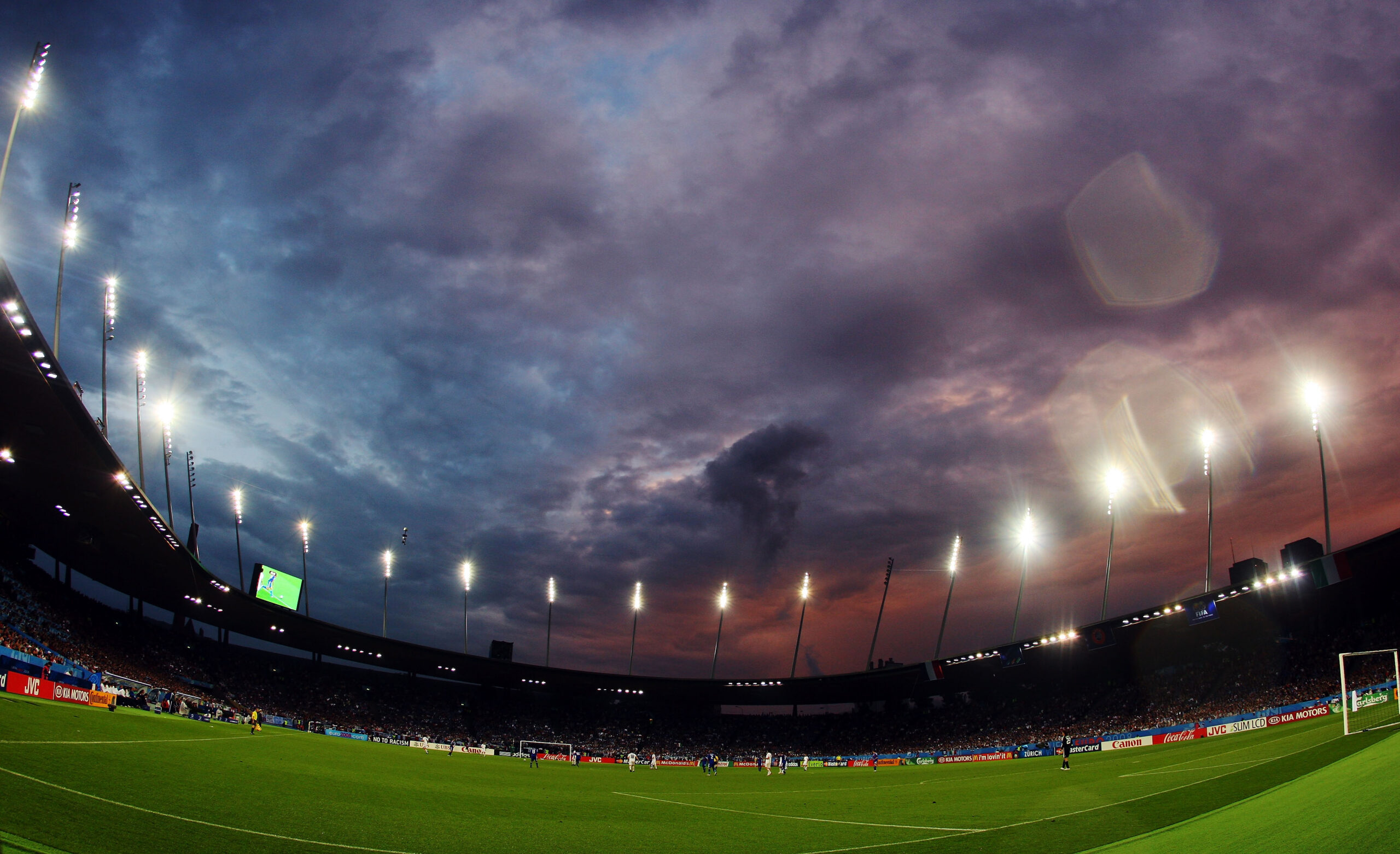
The Swiss Football Association also heavily invested in sports science and performance tracking, integrating modern data analysis and video systems into both the national setup and Swiss club academies and allowing coaches to quickly adapt tactics and optimize player conditioning. And in preparation for EURO 2008, which it co-hosted with Austria, Switzerland started to modernize its stadium infrastructure and catch up with its fellow Western European nations.
Switzerland hasn’t just completely overhauled its youth coaching and and talent identification programs and constructed state-of-the-art regional training centers. It has also fostered an increasingly talented player pool, where young prospects are ready to fill in for retiring veterans, and where seasoned leaders are able to mentor these rising talents. It’s precisely this mix of youth and experience that could take Switzerland to unprecedented heights this summer.
“In football, you need both experience and young players that have these skills, and today, it was really important for us to get that help from the bench with these excellent players that can decide these games,” said Widmer to Urban Pitch after the Bosnia and Herzegovina match.
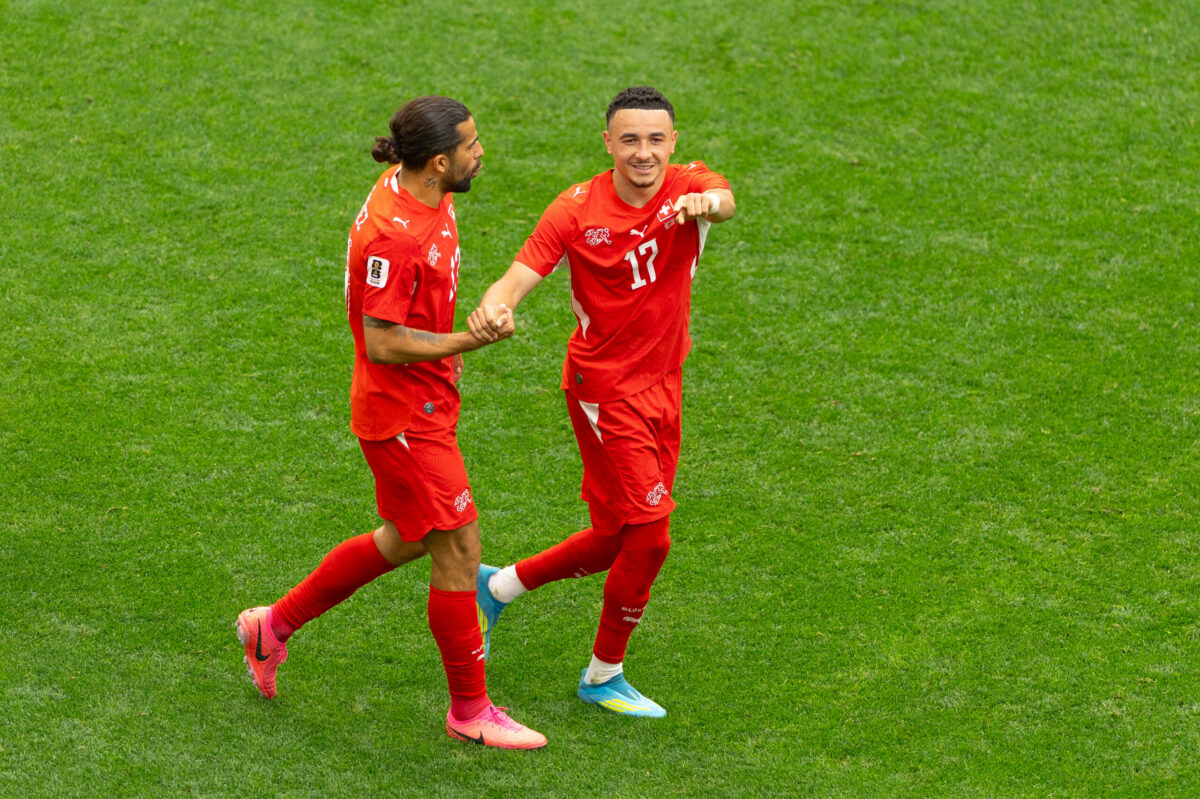
More than just a mix of age groups, Switzerland has an unmistakeable mix of ethnic backgrounds. There’s players like Xhaka, Ardon Jashari, Zeki Amdouni and Eray Cömert with Eastern European roots, and players like Zakaria, Embolo, Ndoye, Akanji, Manzambi, Yvonn Mvogo, and Noah Okafor with African lineage. There’s players like Jaquez, Rodriguez and Vargas with Latin-American roots, while others like Marvin Keller who are of traditional Swiss descent.
This infusion of diverse cultural backgrounds has added flair, technical creativity, and a fiery competitive edge to the typical Swiss virtues of discipline and organization. Like the youth and experience, these two sides complement each other perfectly, and the combination has allowed Switzerland to remain competitive and hang around with the best teams in the world. This cultural blend could see the squad reach uncharted territory in this summer’s World Cup.