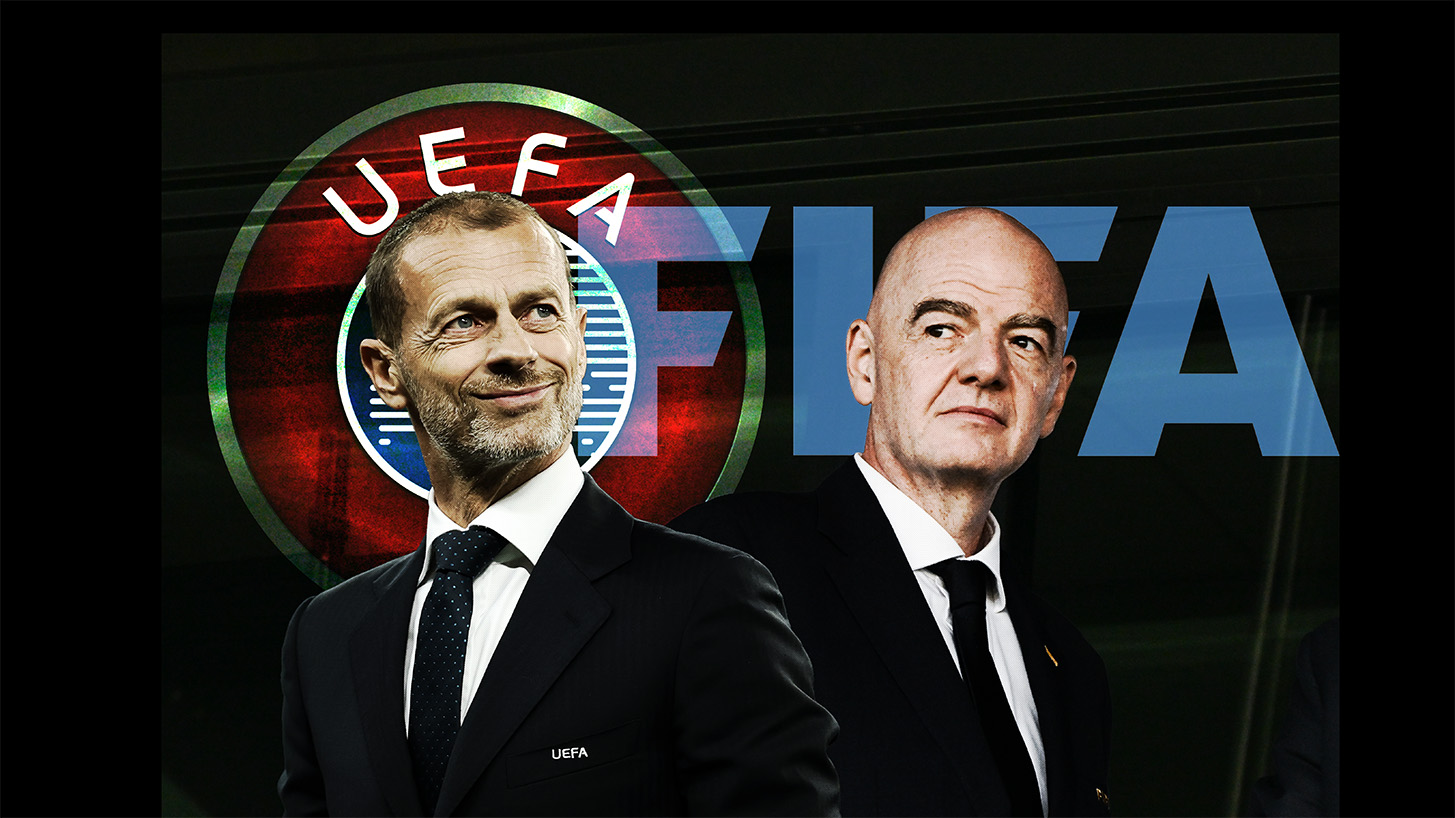
At one time, public opinion of UEFA was at an all-time low. Now, it has become the last line of defense against Gianni Infantino’s vision of a sport that prioritizes money while leaving competition by the wayside.
For years, UEFA was hardly the organization football fans wanted to defend. It was regularly criticized for protecting the biggest clubs, expanding the Champions League, and putting commercial interests ahead of the wider game.
But in 2026, that perception has started to change, as a new villain has drawn the ire of football fans worldwide: Gianni Infantino. UEFA has emerged as one of the strongest opponents of the FIFA president, which has turned a long-running power struggle into one of the biggest political battles football has seen in years.
This does not suddenly make UEFA the “good guy.” The organization has plenty of its own interests at stake, but its confrontation with Infantino has raised serious questions about who should control football’s future and how far FIFA can go in reshaping the sport.
Infantino’s Biggest Crisis Yet
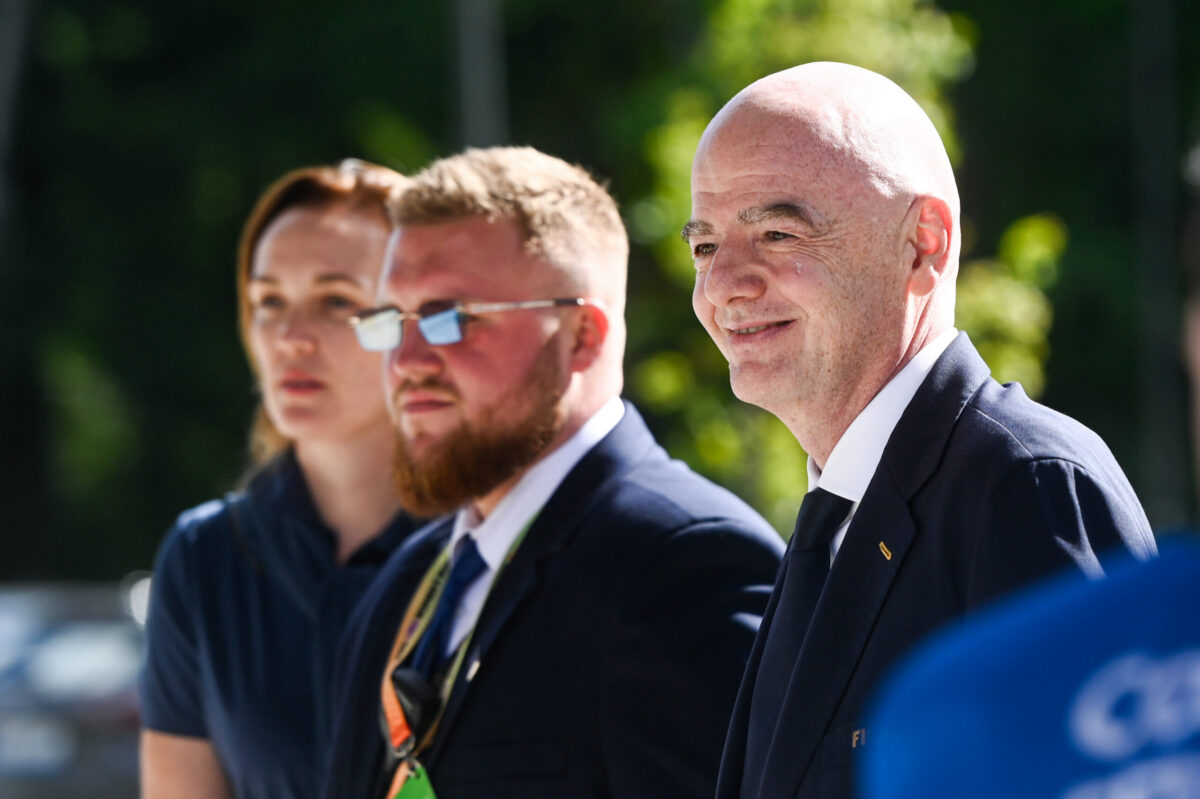
The latest dispute began with FIFA Forward Enterprise, a commercial project reportedly involving private investors buying a 20% stake in FIFA competitions for around $4.2 billion. Thrive Capital, led by Joshua Kushner, was reported to be the main potential investor.
UEFA and all 55 of its member associations rejected the proposal, with the organization even threatening to boycott FIFA competitions if the plan went ahead. FIFA eventually dropped the proposal, but the decision did little to end the wider conflict between the two governing bodies.
UEFA then sought legal discovery in the United States and said it was considering criminal proceedings in Switzerland over alleged criminal mismanagement involving Infantino and others. FIFA has rejected the accusations and accused UEFA of running a smear campaign designed to protect its own financial position.
The two massive football powers have long been at odds over influence and transparency, and now they are marching towards their biggest battle yet.
From Football’s Villain to Infantino’s Opponent

UEFA’s reputation has not always been easy to defend. Michel Platini’s suspension in 2015, following the controversial €1.8 million payment from former FIFA president Sepp Blatter, damaged the organization’s credibility, while the chaos surrounding the 2022 Champions League final in Paris brought another wave of criticism.
Aleksander Čeferin, who became UEFA president in 2016, later found himself at the center of another major battle when Europe’s biggest clubs attempted to launch the European Super League in 2021. UEFA strongly opposed the breakaway competition, helping reinforce its position as the defender of the existing European football system.
That history makes UEFA’s current position particularly interesting. An organization that has spent years being criticized for its own concentration of power is now challenging FIFA over concerns about how global football is being run.
As Infantino prepares to seek another term as FIFA president in 2027, it appears as if he has lost the support of UEFA, the most powerful among the global governing bodies. However, UEFA only represents 55 of the 211 FIFA member associations, so support outside of Europe will be crucial if Infantino wants to be reelected.
Is UEFA Really the Hero?
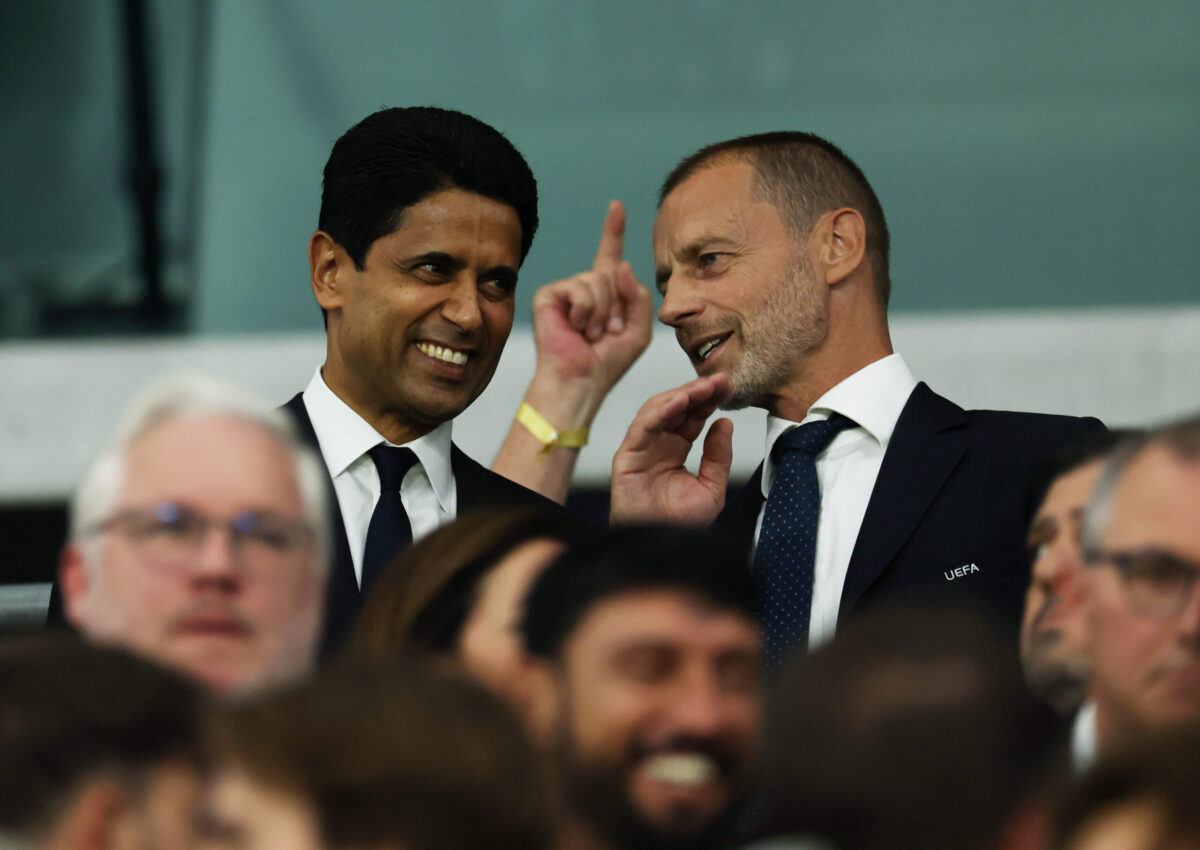
The short answer is probably not, and it would be naive to portray the organization that way. UEFA has its own financial and political interests, and it has played a major role in making European football one of the most commercially powerful parts of the global game.
However, that does not mean its concerns about FIFA should automatically be dismissed. A private investment deal worth billions could give outside investors a greater role in an organization that controls the world’s biggest sporting event, making questions about transparency and governance entirely reasonable.
UEFA may be acting partly to protect its own position, but its opposition has still forced FIFA to answer difficult questions about how much control football’s governing bodies should be willing to give up.
What Happens Next?
The immediate threat of a European boycott has eased after FIFA provided guarantees that it would not repeat the private investment proposal. However, the wider conflict is far from over, with the legal dispute and political tensions between UEFA and FIFA continuing.
The next FIFA president will be elected in March 2027, and the current conflict will almost certainly be a major part of not just Infantino’s campaign, but that of every candidate.
UEFA’s opposition may not be enough to stop an Infantino reelection, but it has demonstrated that his leadership is facing a serious challenge from within football’s most powerful continent.
Neither side is entirely innocent, and neither is fighting purely for the fans. Yet something has clearly changed, as UEFA, once regularly portrayed as one of football’s biggest villains, is now standing against a FIFA leadership that critics believe is pushing the sport toward a new era of commercial and political control.
The biggest battle in football may no longer be taking place on the pitch. It is happening behind closed doors, where the future ownership, power, and direction of the sport are under debate, and UEFA has unexpectedly found itself on the other side of the fight.