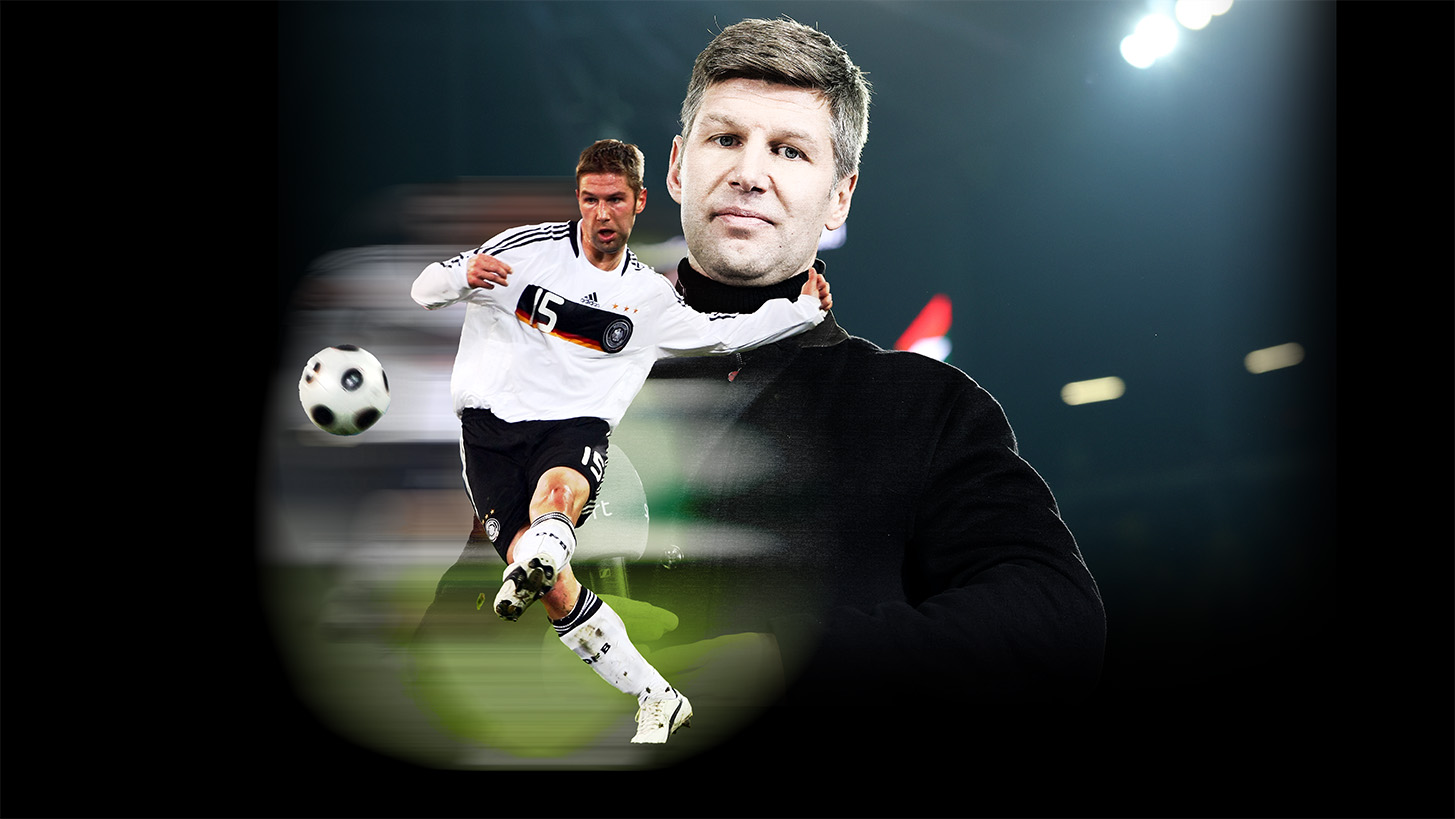
The former German international sits down with us to discuss becoming the becoming one of the highest-profile footballers to come out as gay, his post-playing career as a media pundit and football executive, and what the future has in store for the German national team.
Deep down, Thomas Hitzlsperger always knew that he was different. He just didn’t realize what exactly made him different.
Hitzlsperger grew up in the Munich suburb of Forstinning, and spent a decade at Bayern Munich’s academy before heading abroad in 2000 to join Aston Villa.
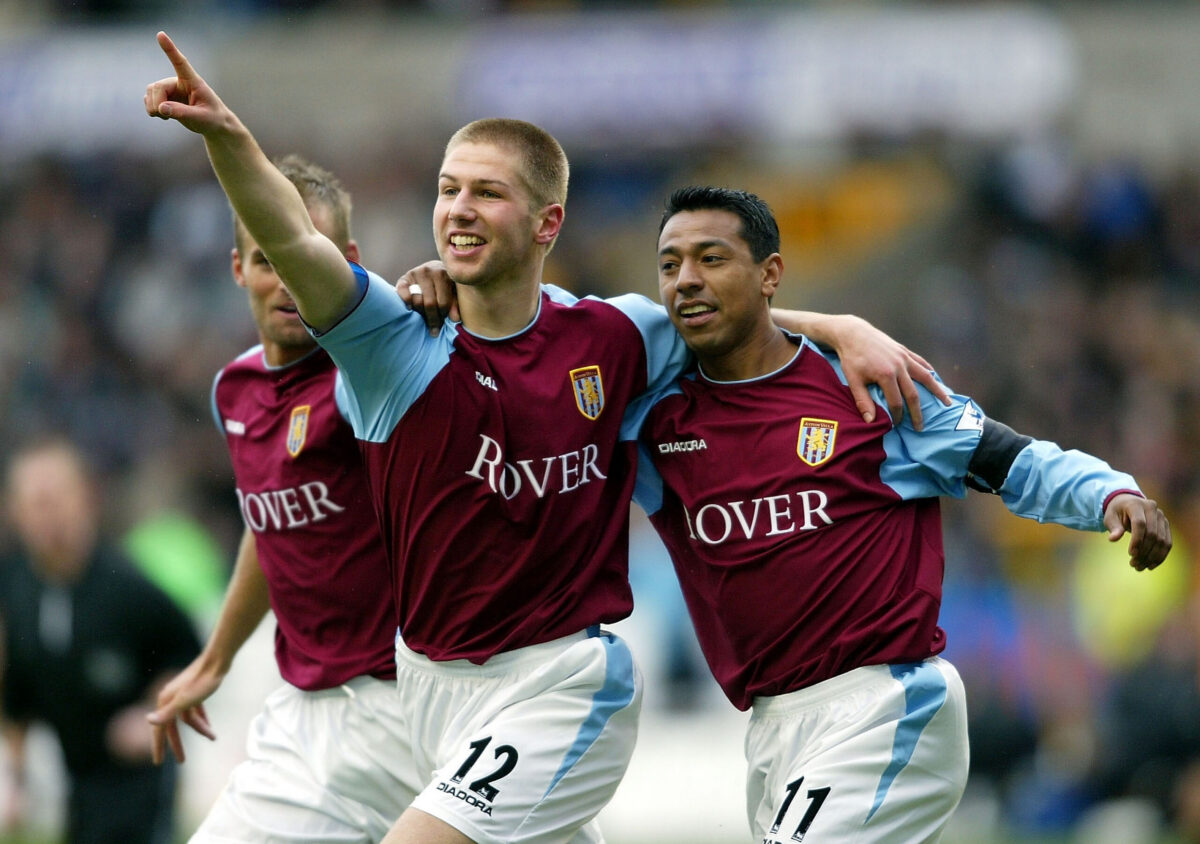
Hitzlsperger became a key figure in the first team, scoring 12 goals and 14 assists in 114 appearances with the club.
“Growing up in Munich, and having played for Bayern Munich for 11 years…I always got to play with the best kids in Germany because even back then, Bayern were the biggest club in Germany,” Hitzlsperger said to Urban Pitch.
“That was great, but of course, my biggest ambition was to turn pro, and when I was 17, I had the opportunity to go and train with Villa, because I didn’t have a contract at the time at Bayern. This wasn’t ultimately my career plan, but it just happened. It was pure luck, and I went there, trained with them for a week, and they really gave me the impression that they want me in the first team; they want me to play in the Premier League. I didn’t have that sense at Bayern, given that they’re such a big club with so many great talents.”
After four seasons with Villa, Hitzlsperger headed back to Germany in 2005 with Stuttgart, establishing himself as a vital cog in midfield with 30 goals and 21 assists in 172 appearances. He didn’t just become the captain, but an outright legend, scoring an equalizer on the final day of the season against Energie Cottbus. Had Stuttgart lost, Schalke would’ve won the Bundesliga. Instead, Sami Khedira would complete the comeback to secure Stuttgart’s fifth league title and first in 15 years.
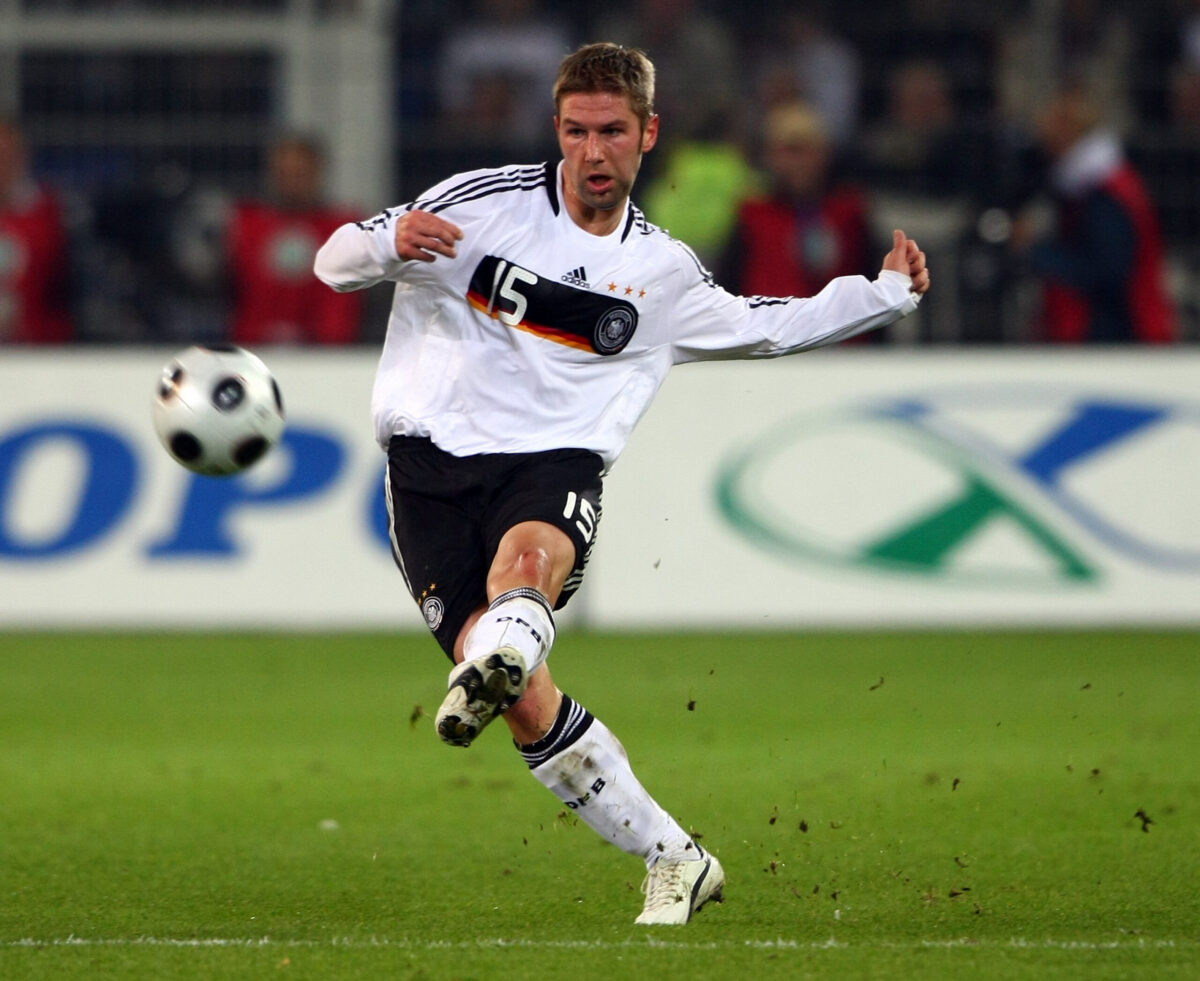
These stellar displays would also land him an opportunity with the German national team, with Hitzlsperger being part of the squad the finished in third place at the 2006 World Cup, and runner-up at the 2008 European Championship. He’d round out his career with stops at Lazio, West Ham, Wolfsburg, and Everton, ultimately retiring in 2013.
While he’s still remained actively involved in football, working as a pundit and journalist in addition to serving front office roles for Stuttgart and Hellas Verona, the center of Hitzlsperger’s legacy lies outside of his on-pitch accomplishments.
In the summer of 2007, as he was celebrating the biggest trophy of his career, Hitzlsperger called off his engagement with his fianceé Inga one month before their wedding date. Seven years later, just after he hung up his boots, Hitzlsperger finally spoke his truth: he was gay. He became the highest-profile male footballer to come out as gay, and it would take another nine years for Jakub Jankto to become the first active male international player to come out as gay.
View this post on Instagram
“It was so intense,” Hitzlsperger said. “There were many factors why I retired early, and being gay was definitely another one, because there’s a lot of pressure involved in football. And then suddenly, I wasn’t the number one anymore on the team.
“The longer it went on, the more I thought, ‘Okay, well, being gay, A) admitting it to myself, and then B) with all the potential consequences once it comes out publicly, it was a bit too much at first.”
Hitzlsperger said that he took years contemplating if he should come out while still being an active player, weighing the consequences that would surely come with such a massive announcement. He ultimately decided that he was not ready to deal with the extra attention from the media, fans, players, and his club.
In addition, he felt that his game wasn’t at its peak level, having dealt with injuries, and he didn’t want to feed into any potential narratives or storylines.
“I wanted to come out and be strong on the field and still be a very good player,” Hitzlsperger said. “But in the period when it was clear to me that I’m gay, I didn’t feel strong enough on the field, and didn’t want to end up being openly gay and in the treatment room all the time. Because then you feed into the stereotype, and this just wasn’t something that appealed to me.
“I wanted to be a great football player, openly gay, but it just wouldn’t work anymore. I needed my time to say I will stay in the closet, but I’m still in the game. And then eventually, I was like, ‘OK, I’m done with football; my life, my perspective on life, has changed, I want to enjoy my life.’ But I can’t enjoy my private life if I have to keep this secret from the working environment. And that’s why I had to also quit.”
In addition to discussing his weighty decision and what went into it, we were able to talk to Hitzlsperger about his post-playing career as a media pundit and football executive, the future of the German national team, and future goals that he has for himself in a Q&A interview.
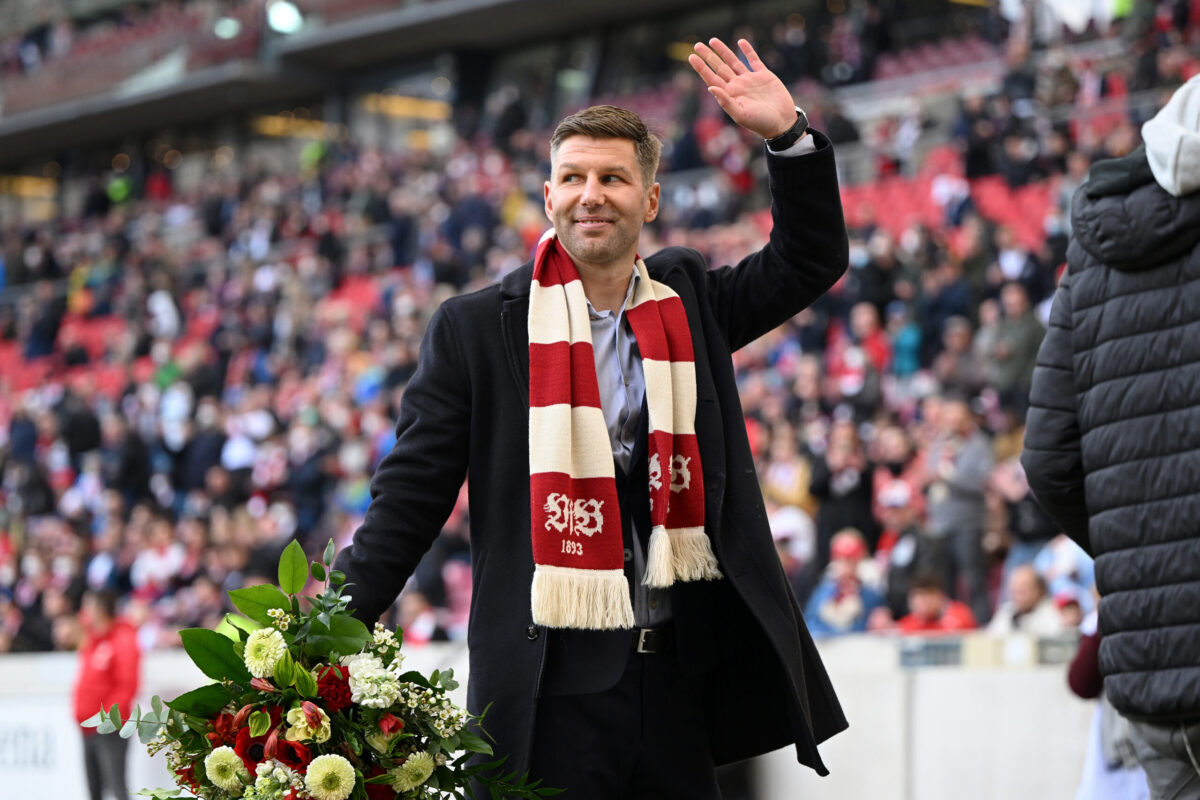
Urban Pitch: As someone who was their sporting director and the CEO from 2019-2022, do you feel like you helped plant the seeds for Stuttgart’s rejuvenation in the past few years? Furthermore, is there any desire for you to get back to a position of leadership, or are you done with being in the spotlight?
Thomas Hitzlsperger: Well, for the first part of your question, I guess I’m humble enough to say: not really. What we’re seeing now is that the people have been in charge long enough to say it’s their work now. I did my best for the club while I was there, and I guess I’ve made some good decisions and balanced them with some bad decisions. But overall, I’m at ease with myself and what happened.
Also, big compliments to the people with whom I worked at the time, because I understand that being the CEO doesn’t mean I know everything better and I make all the decisions. It’s about having a team of people who make good decisions and work hard, and that was the case. It was a different era, the COVID period, where it was more about making sure you survive rather than going forward and really creating things, but that’s fine. It really helped me grow a lot in different areas.
With regard to the second part, there are different terms for similar things in football. Now, maybe there is a job profile that looks appealing to me, but right now, I’m quite happy having that freedom and being on the board here at Hellas Verona and working as a pundit for different media outlets. I’m happy with this, until maybe there is this job profile and club where I think, “OK, I can try this,” but I’m not actively searching right now; I’m quite happy with the way things are going.
Can you explain to me what your current week looks like for you, dealing with football in Germany, the Netherlands, Denmark, and Italy?
Yeah, there is no typical week. Almost every day is different, and it’s sort of a freedom that I really enjoy. I’m based in London, and I’ve got a restaurant there [L’Escargot], so that’s my responsibility as well. But between being there, watching a lot of games, and always being ready to be a good pundit, that is one job, so I’m keeping up to date with the Bundesliga, the Premier League, and international competitions.
And then, in my board position here at Hellas Verona, I’m understanding and watching the games here, and being a good partner for the people here. Whenever they need my advice, I want to be prepared for it. Overall, it’s a mix of jobs that I’m doing, which I think is great. I don’t want to be just in the same office every day, doing the same thing over and over again. I’ve chosen to have that variety. It’s sometimes not easy to keep up with everything, but I think it’s a great luxury to have, and that’s why I don’t want to complain at all.
Jürgen Klopp has only coached club teams across his quarter-century in management. How are you expecting him to cope with the transition to international football as the new Bundestrainer, and will he be able to bring Germany back to its glory days?
I can picture Klopp as almost anything and everything. He’s just so unique, and I think I said this recently somewhere that he also influenced me when he first became a TV pundit. He changed the whole perception of how we look at people, how this can be done, in an authentic, passionate, and articulate way. He really was incredible.
That’s why so many people think, and so do I, that he can do many different jobs. He can be the coach of a club team; he can be the CEO of a company; he can be Bundestrainer. Now, there’s only that one danger where people think he can walk on water. He must understand, and he also must know this is a tough job, even though he’s got this amazing ability. It’s still hard work; you have to manage expectations, and you have to find where they can improve, but he’s definitely the best solution.
Lastly, Thomas, you’ve achieved so much at just 44 years of age. Are there any specific things that you have on your list that you really want to achieve? When we do our next interview in 2027 or 2028, what are certain things that you hope you’ll have fulfilled by then?
It’s not something that I can actively do, but I’d say all the teams I’m associated with, if between now and 2027 they win all of their matches, then I would be very, very happy. It’s just being very good at what I’m doing, always optimizing my work, and finding the right balance to keep a healthy body and mind, and then just being ready for the challenges ahead.
As I said, I think I’m in a good position. I got myself into this position, but I’m making sure that I keep pushing myself. I don’t want to stand still, and I want to be accepting that not everything can work well, coming to terms with defeat, always getting up again, and trying to win and be successful. And if I maintain that kind of approach, I’ll be quite happy.