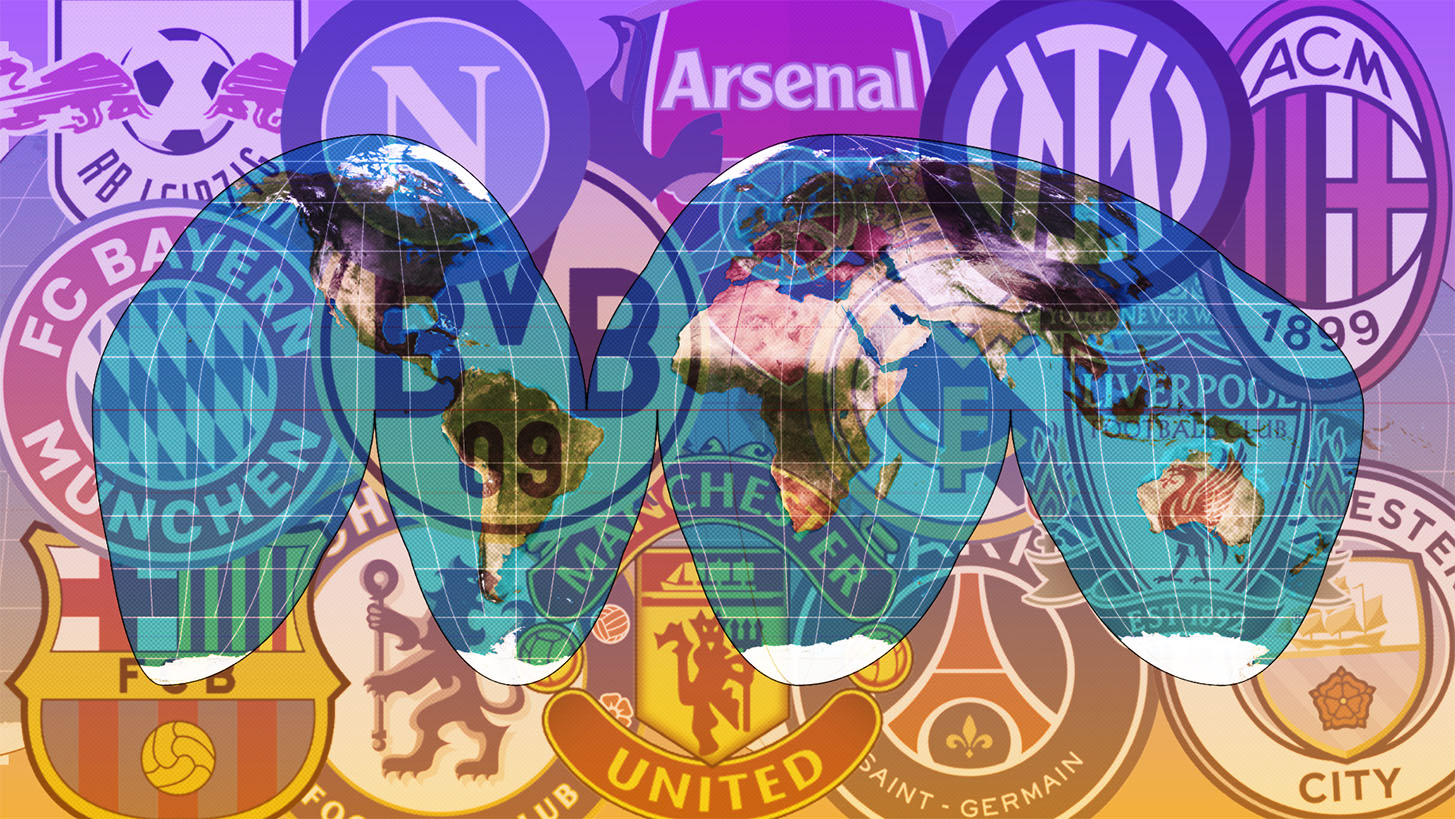
The globalization of football has led to more players in top leagues but an increase of revolving doors and little attachment to the clubs they represent.
Football is truly a global game, played all over the world. Every player dreams of playing for the biggest clubs, competing in World Cups, and earning a good living. For the most part, those dreams are becoming a reality, although at an uneven pace.
Today more than ever, players from all over the world are earning contracts with major clubs. Even more are landing sizable deals in mid-sized leagues across Europe and the Americas. Thanks in part to FIFA’s expansion of the World Cup, the dream of playing in the biggest sporting event on the planet is becoming a reality for teams such as Bolivia, Iran, Haiti, and Jamaica.
But over the last five years, more questions have been raised about what it means to have a football landscape where players can swap Chelsea for Manchester City, AC Milan for Juventus, or Atlético Madrid for Barcelona without much scrutiny.
View this post on Instagram
At one time, Roberto Baggio’s move from Fiorentina to Juventus caused riots in the streets, while Luis Figo’s move from Barcelona to Real Madrid resulted in a pig’s head being thrown at him. Today, it is increasingly normal for a player to realistically play for AC Milan, Inter Milan, Chelsea, and Manchester City during their career without generating the same level of scrutiny or emotional reaction.
Are we at a point in football’s history where clubs have overexposed the transfer market? And is it time to readjust and find a better balance between a truly global football market and the traditions that make individual clubs unique?
A Common Problem With Different Approaches
Tottenham are in last place in the Premier League, yet they field a team full of international-caliber players. In their 3-2 defeat to Aston Villa, Spurs played just three English-born players, with Dominic Solanke the only starter among them. Aston Villa, the winners, fielded just two English players during the match.
In Italy, it is virtually a given that some teams will field starting XIs without a single Italian player. AC Milan have done it in the past, while last place Venezia have also fielded sides without Italian starters. That brings to the forefront an obvious question: how can a team like Venezia, which has imported the vast majority of its squad, find itself at the bottom of Serie A?
At one time, a foreign import was viewed as a significant upgrade for a team — a player with a level of quality that was difficult to find domestically. Today, players are increasingly imported simply to fill positions, raising questions about whether countries such as England, Brazil, and Italy are failing to produce enough quality players for their own domestic leagues.
Serie A is increasingly focusing on developing and giving minutes to young Italian players, using non-EU registration limits, financial incentives, and reserve teams rather than imposing a blanket foreign-player quota.
Brazil has taken things a step further by introducing a plan to reduce the number of foreign players allowed in domestic squads from nine to five by 2030. Recently, former Brazilian footballer Paulo Silas said on ESPN Argentina: “Grêmio has nine foreign players who don’t even play for their respective national teams. How do they help grow or build Brazilian football?”
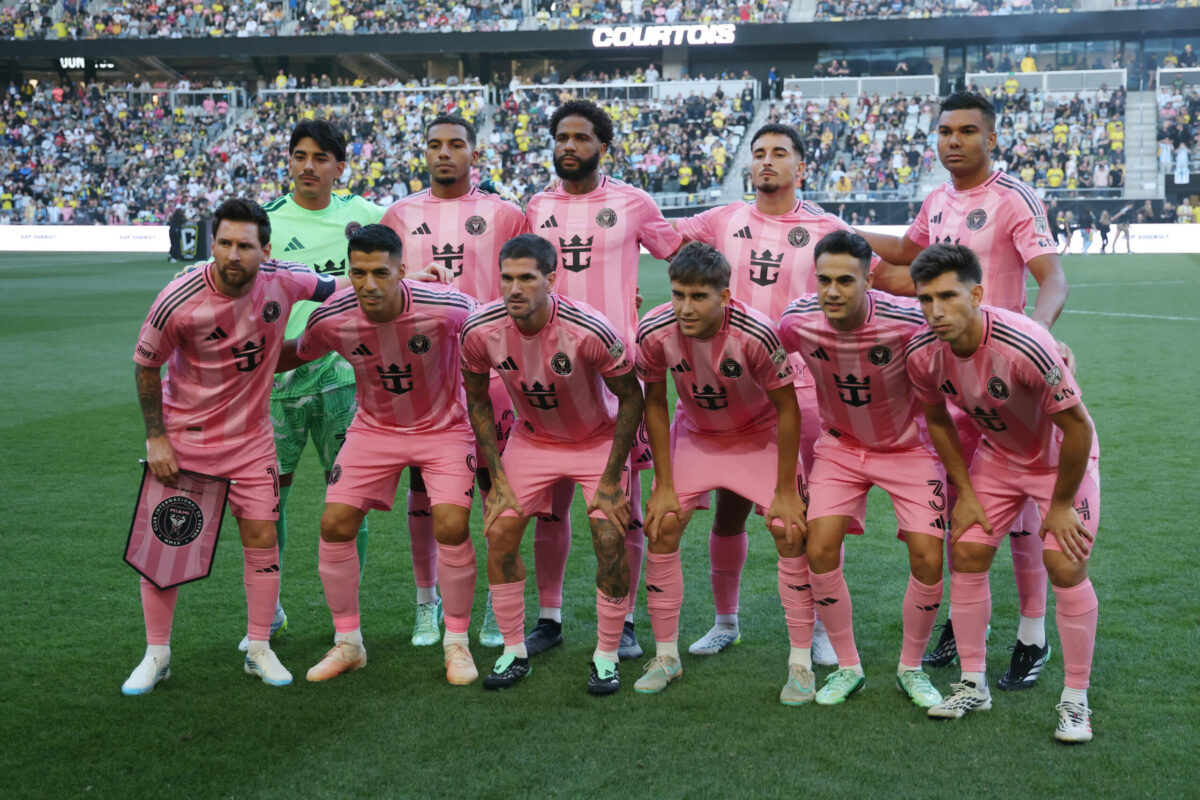
Major League Soccer, whose primary mission was to provide Americans with a place to play, can also be criticized for this trend. While the United States men’s national team is enjoying a new influx of American young talent developed through MLS, there have been occasions when MLS teams have fielded lineups without an American player, including Orlando City, Portland Timbers, and Inter Miami.
The green-card-holder loophole has allowed many MLS clubs to surpass the allotted eight international roster spots. As of 2026, MLS has become increasingly international, with American and Canadian players making up just 49.6% of league rosters, leaving foreign players with a narrow majority. The percentages shift tremendously when it comes to who actually starts games in MLS.
England is tackling the influx of foreign players primarily through homegrown player requirements rather than direct foreign player quotas. Premier League clubs can register a maximum of 25 senior players, with at least eight required to be “homegrown,” meaning they spent at least three seasons with an English or Welsh club before turning 21.
Under-21 players are exempt from the 25-man limit, creating another pathway for academy prospects. The approach is therefore less about restricting foreign imports and more about ensuring clubs continue developing and retaining players through the English football system.
Club Values Over Globalization
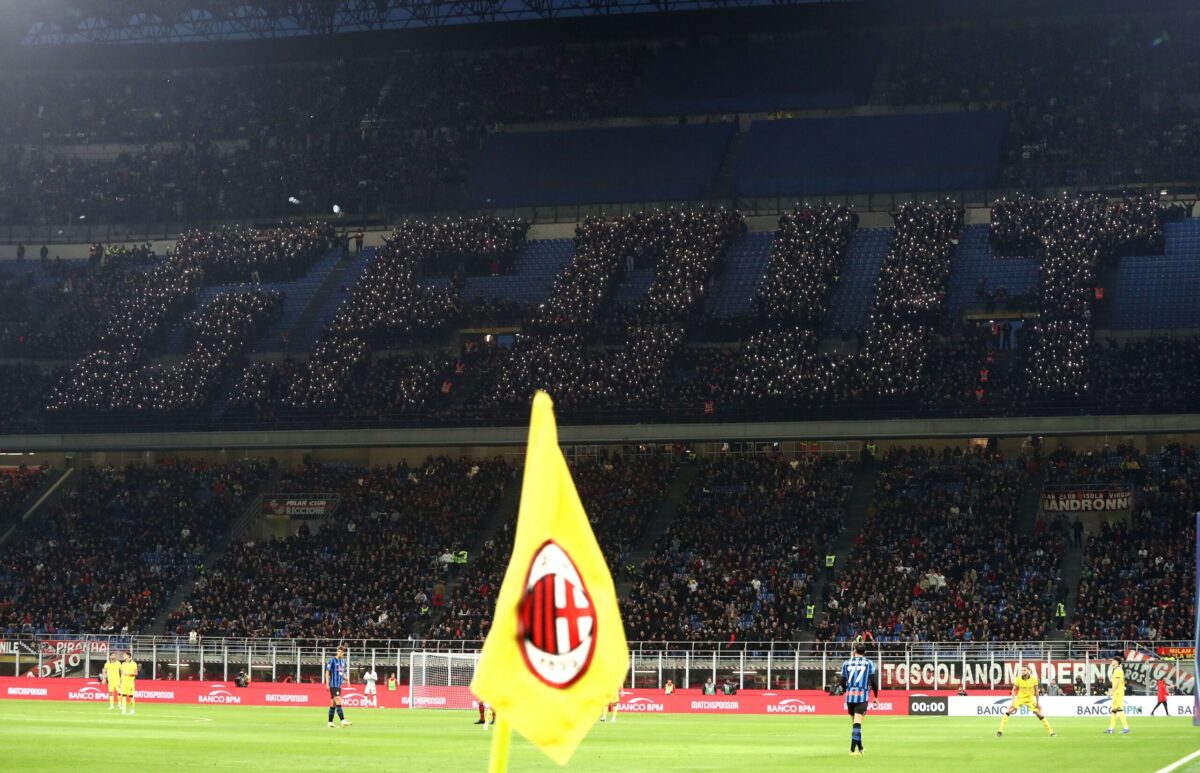
Many clubs over the last decade have seen an increase in foreign ownership and international player recruitment. Clubs such as AC Milan have faced questions from supporters over decisions that appear disconnected from the values and traditions associated with the club.
Milan was once known for producing and relying on great Italian players. Today, the team can field a side with virtually no Italians. Manchester City and Manchester United have also become revolving doors for star players, many of whom have little connection to Manchester beyond the club they represent.
Many teams have effectively become assets in billionaire portfolios. How else can it be explained when the Berylson family, from Boston, owns Millwall in England?

While many fans are wary of foreign investment, Todd Boehly’s recent sale of Chelsea illustrates how quickly ownership can change when investors decide to cash in. Boehly was Chelsea’s owner for just four years — a blip in the club’s history — but his ownership left a significant mark on how football clubs can be operated as commercial assets.
Chelsea also endured one of the most turbulent periods in its recent history, including a revolving door of managers and numerous player acquisitions that have been heavily questioned by supporters.
As teams, players, and owners look to diversify by gaining new audiences, building international fanbases, and owning powerful commercial assets, many of the values on which football clubs were founded are becoming a thing of the past.
Even some of the worst-performing teams in traditionally respected football countries are filled with imports whose connection to the club they represent can sometimes appear more akin to a paycheck than a sense of belonging.
As global football has become even more global, what risks being lost are the longstanding values and identities of the clubs themselves.
Is there a quick fix for this issue? Most likely not. But over the last 10 years, the sport has shown that globalization can come with a cost: a product that looks stronger and more valuable on the surface, but can become increasingly diluted at its core.