Football reflects identity in many forms, including ideology, religion, politics, and personal expression. Here, we explore clubs whose histories are deeply intertwined with specific communities, beliefs, and cultural traditions.
Football has always been more than a game. For millions of supporters, clubs become extensions of cultural heritage, religious tradition, political ideology, or community pride. In cities across the world, certain teams have grown far beyond their sporting roles, turning into symbols of survival, identity, resistance, and belonging.
These clubs often reflect the histories of the neighborhoods and peoples who built them, creating emotional bonds that stretch well past the stadium walls. In the U.S., places to play include post-church pickup games or even full-blown leagues between different locations.
From Jewish fan culture in Amsterdam and London, to Basque and Catalan nationalism in Spain, to the Palestinian diaspora in Chile, football continues to mirror the complexities of society.
Some clubs unite immigrant communities; others stand as expressions of political defiance or grassroots activism. Together, they show how deeply sport can intertwine with identity — and how a simple team can become a powerful cultural emblem for generations of supporters.
Clubs with a Strong Jewish Following
Ajax, Netherlands
Ajax is perhaps the best-known example of a club with a deep connection to Jewish identity. In Amsterdam, a city with a long-established Jewish community, rival fans often tried to provoke Ajax by referencing this heritage. Instead of backing away, Ajax supporters embraced the association, adopting symbols like the Star of David and chanting “We are the Jews” as a proud expression of unity and belonging.
Although most Ajax fans are not Jewish, the club’s supporter culture has woven Jewish imagery into its identity, turning it into a symbol of pride for both the team and the city.
Club Atlético Atlanta, Argentina

Club Atlético Atlanta, located in the Villa Crespo neighborhood of Buenos Aires, developed its strong link with the Jewish community through the area’s cultural history. Villa Crespo has long been home to many Jewish families, shops, institutions, and social organizations.
Naturally, many residents gravitated toward Atlanta, and over time the club became an informal symbol of the neighborhood’s Jewish life. This bond wasn’t built through official policy, it grew organically as Jewish fans supported the team, joined its youth programs, volunteered, and became part of its daily environment.
Tottenham, England

Tottenham Hotspur’s Jewish connection stems from its roots in North and East London, areas historically populated by large Jewish communities. Many Jewish families who settled there in the early 1900s adopted Spurs as their club, giving the team a strong Jewish fanbase.
Rival supporters often used “Yid” as a slur, but Tottenham fans reclaimed it, proudly calling themselves the “Yid Army” in a show of resistance and identity.
The Old Firm: A Clash Shaped by Religion
The rivalry between Rangers and Celtic ranks among football’s most intense, shaped by more than a century of cultural and religious division. Celtic’s support is heavily tied to the Irish Catholic community, reflecting the club’s origins among Irish immigrants in Glasgow. Rangers, by contrast, have long been associated with Scotland’s Protestant and Unionist traditions and opposition to Irish republicanism.
What happens on the pitch is only part of the story. This derby cuts deep into history, politics, and social identity.
Two Strong Identities in Spain
Athletic Club Bilbao: Basque Identity

Athletic Club Bilbao is inseparable from Basque culture. The team famously fields only players from the Basque Country or those developed in local youth systems, reinforcing its role as a sporting representative of Basque pride. The club’s philosophy, fan culture, and academy system all reflect a collective commitment to the region’s language, traditions, and identity.
FC Barcelona: Catalan Identity

FC Barcelona is more than a football club, it’s a powerful cultural and political symbol for Catalonia. Catalan, not Spanish, is the club’s primary language, and the stadium has long served as a meeting place for Catalans seeking to express their unique identity.
During the Franco dictatorship in Spain, when the Catalan language was banned in public, Barça became a central symbol of resistance, allowing Catalans to preserve and celebrate their culture. That legacy gives El Clásico a deeper meaning: for many, it has represented Catalonia asserting itself against the Spanish state.
A Palestinian Community in Chile
Club Deportivo Palestino is deeply tied to Chile’s large Palestinian diaspora, the biggest outside the Middle East. Founded in 1920 by Palestinian immigrants in Santiago, the club quickly became a cultural landmark for the community.
Palestino’s colors reflect the Palestinian flag, its badge honors Palestinian heritage, and the club proudly embraces its origins, turning it into far more than a football team.
Left-Wing and Ultra-Right Football Identities
St. Pauli: Progressive Counterculture
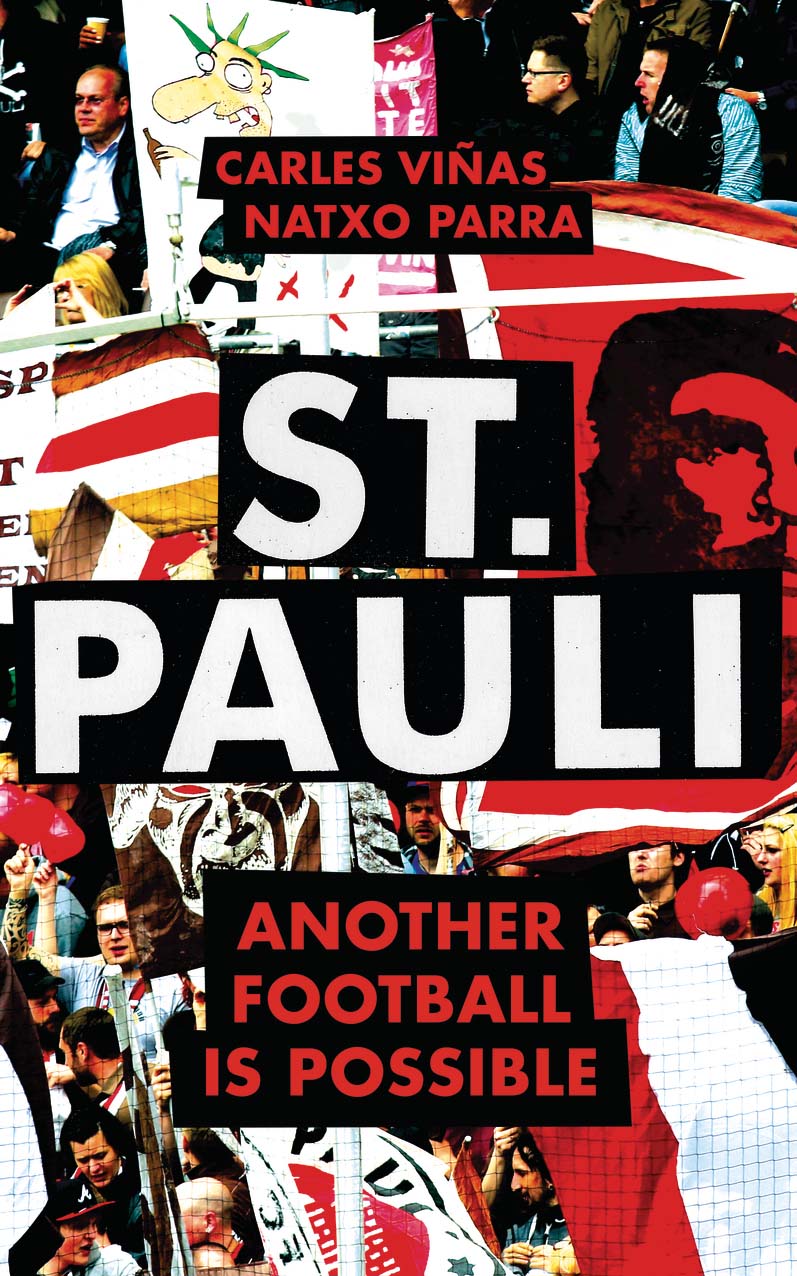
St. Pauli has crafted one of football’s most distinctive identities, rooted in left-wing, anti-establishment values. In the 1980s, punks, artists, and activists from Hamburg’s Reeperbahn district began flocking to matches, transforming the stands into a vibrant space for progressive expression.
The club’s supporters openly champion anti-fascist, anti-racist, pro-immigrant, and LGBTQ+ causes. The iconic skull-and-crossbones flag, once a punk symbol, has become a worldwide emblem of St. Pauli’s rebellious spirit.
Lazio: Far-Right Ultra Culture

Some Lazio ultra groups have gained notoriety for promoting far-right imagery, especially through the Irriducibili, a powerful faction active from the late 1980s. Certain members displayed fascist symbols, Roman salutes, and references to Mussolini-era politics, shaping an identity associated with Italy’s far-right past.
It’s important to note that this reflects the actions of specific ultra groups, not the club as a whole or the majority of its supporters. Lazio has repeatedly condemned extremist behavior, imposed sanctions, and cooperated with authorities to curb these incidents.