From his playing career that saw him line up against prime Real Madrid galacticos, to his new opportunity at Ajax, we sit down with Spanish coach Carlos García for an exclusive interview.
After an improbable late-season collapse that saw them relinquish the Eredivisie title to PSV Eindhoven in the 2024-25 campaign, Ajax is in the midst of another tumultuous year. Currently fourth in the league table, the Amsterdam giants are four points out of a Champions League position with three matches left to play, and are on their third manager of the season.
Part of the newest regime to enter the fold, assistant manager Carlos García is here for the uphill battle to return Ajax to its dominant form.
Born on April 29, 1984, García grew up in Barcelona and was addicted to football from the offset. Despite being rejected by both FC Barcelona and RCD Espanyol’s youth academies, García was able to impress for a local academy and start playing for the Catalan regional side as well as the youth national team. He eventually piqued the interest of Espanyol, and after signing he’d ascend through the youth ranks for club and country.
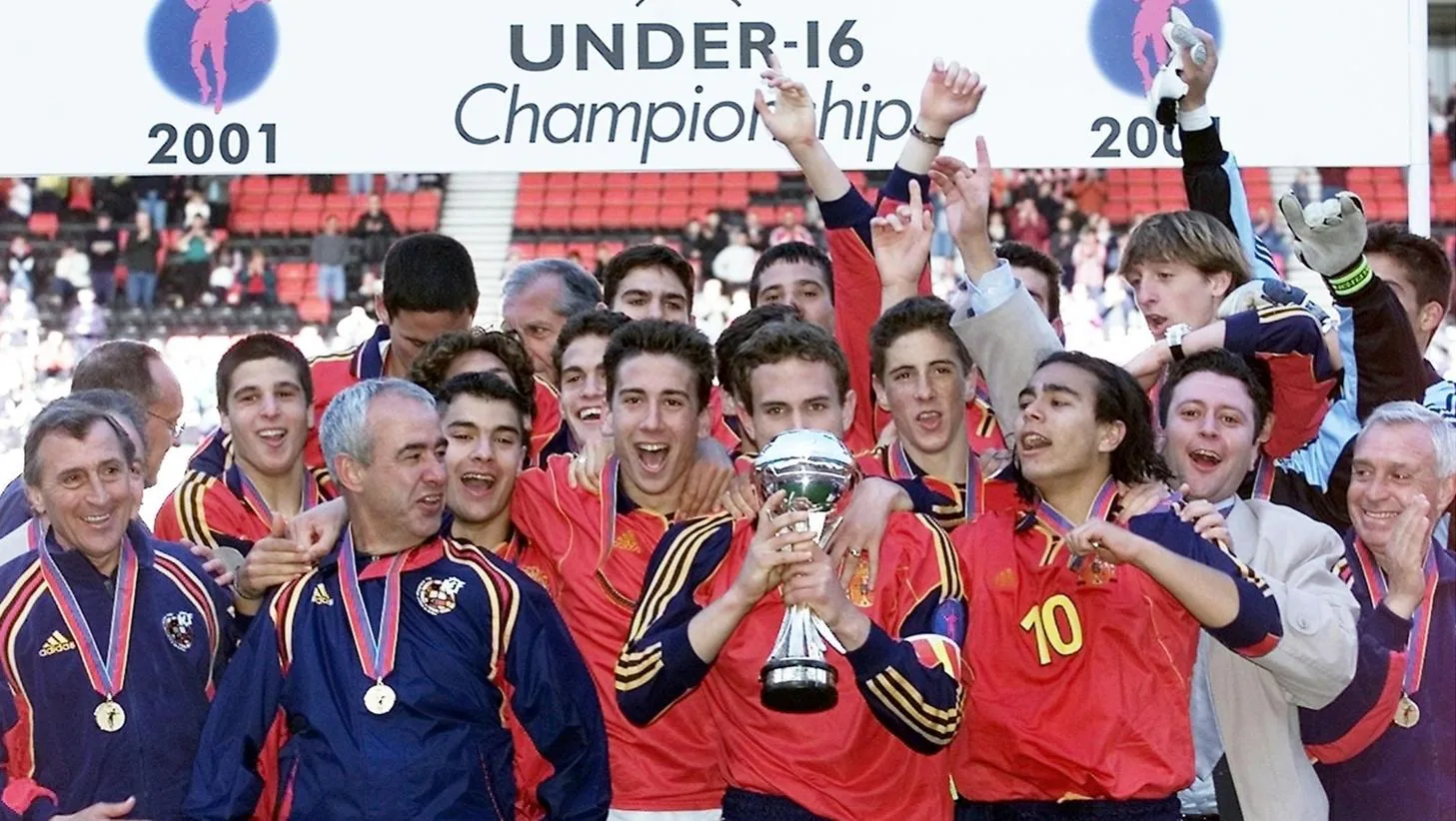
García excelled alongside the likes of Fernando Torres and Andrés Iniesta in the 2001 UEFA European Under-16 Championship in England, and helped lead his team to their maiden title. He’d then feature twice in Spain’s 2001 FIFA U-17 World Championship in Trinidad & Tobago. Two years later, García played nearly every single minute in the 2003 FIFA World Youth Championship as Spain narrowly lost to Brazil in the final in the United Arab Emirates.
García would eventually break into the Espanyol first team, debuting against the likes of Zinedine Zidane, David Beckham, and Ronaldo before making his second appearance against eventual champions Valencia. Desperate for regular minutes, García dropped down to Polideportivo Ejido in the second tier, before sticking around in Almería and helping Spain achieve their first-ever gold medal at the 2005 Mediterranean Games.
“I think there’s a very big difference between La Liga and the Segunda, not only technically, but also because of the speed at which things happen,” García said in an exclusive Urban Pitch interview. “It’s all very fast: If you make a mistake in La Liga, you’re finished, so the demands are very, very, very, very high. You might find physically strong players in the second division as well as technically skilled players, but football is played much, much faster, both mentally and physically in the top flight.”
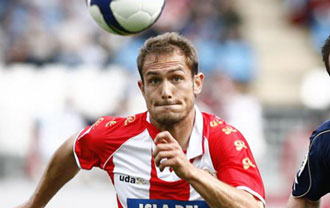
García would cut the cord with his boyhood club to join UD Almería on a permanent deal in 2005, and he’d become a crucial figure in central defense over the next seven seasons. In the 2006-07 season, he’d help Almería achieve promotion to La Liga for the first time in club history.
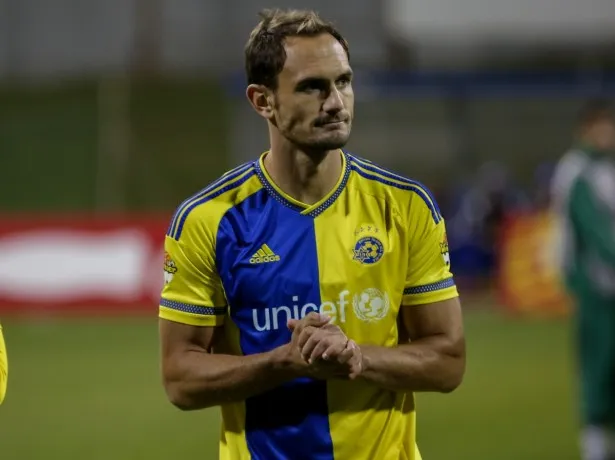
A loan stint across town with Real Betis was followed by a move to Maccabi Tel Aviv, where García was able to play UEFA competitions for the first time and helped Maccabi end a decade-long trophy drought.
He was able to win three straight league titles (including a domestic treble) before competing against Porto, Chelsea and Dynamo Kyiv in the UEFA Champions League. García then enjoyed a brief sojourn with Turkish outfit Alanyaspor before retiring at 33 and linking up with ex-teammate Jordi Cruyff as the Dutchman’s assistant coach with Chinese Super League outfit Chongqing Dangdai Lifan F.C.
Cruyff and García looked set to oversee the Ecuador national team in 2020, but the COVID-19 pandemic threw a wrench in those plans, and they’d return to China after six months and zero training sessions registered. After assisting Cruyff at Shenzhen FC, García got his first taste of head coach action with Beitar Tel Aviv Bat Yam FC in the Israeli second tier, before undergoing assistant gigs with Udinese and Chicago Fire.
Another head coaching opportunity arose at newly-promoted Albanian side Flamurtari, but García lasted just six matches before departing in October 2025. However, he was able to land on his feet as an assistant to Óscar García, who emerged as Ajax caretaker on March 8.
Just a few weeks after taking charge of Ajax’s U-21s, García was promoted to the Ajax first team, and helped oversee a 4-0 win vs. Sparta Rotterdam and a 1-1 draw at Feyenoord.
“The initial feeling is that it’s a very big club with excellent facilities and very good players, with a strong sense of belonging to the club,” said García to R.Org. “People feel like they’re part of Ajax; people want to play for Ajax’s first team, and that’s very, very, very important. And the truth is that I am delighted with everything; it has exceeded my expectations. I’m signing here with Jordi Cruyff as sporting director, who knew me and believed, and who still believes that I can help develop these players.”
We caught up with García for a Q&A session, discussing his well-traveled career, and the wisdom he’s picked up over his 30-plus years in the game.
What was it like developing in Espanyol’s academy, and when did you realize that you had what it took to become a professional footballer?
My parents live very close to Camp Nou, so I started to playing football at a tournament that Barcelona set up for young children back when there weren’t any official club categories yet. I was there, and then they held trials for the younger FC Barcelona teams, but I didn’t make the cut. After a year or two, there were Espanyol trials that were open to everyone, and I went to take them too, but they didn’t accept me either. So, I was playing on my neighborhood team, and then I joined a youth football team in the Barcelona region, which was also very strong. I was there until I was 14, playing for the U-14s, when I had the option of going to Espanyol and Barcelona.
I decided to go with Espanyol but enter with a bit more force. At the time, you realize that you’re somewhat on the right track, but there’s still a long way to go, right? In those early years, I progressed very quickly within the club, I started playing for the under-19s even though I was an under-16 player. I became an international player with the Spanish national team’s youth categories and a European champion, but for me, the hardest step was when I got into senior football.
In Spain, we have the under-23 team that competes with older players. For example, the Spanish under-23 team, at that time they were in the third division, and that’s where things got really complicated for me. You’re used to playing with kids, even if they’re one or two years older than you, and now you’re playing football with adults…it was tough, you know? And from there, well, I was fortunate enough to make my debut as a starter at the Santiago Bernabéu when I was 19 against the team of Zinedine Zidane, Raúl González, Ronaldo, David Beckham, Luís Figo, Roberto Carlos, and that’s where my professional career began.
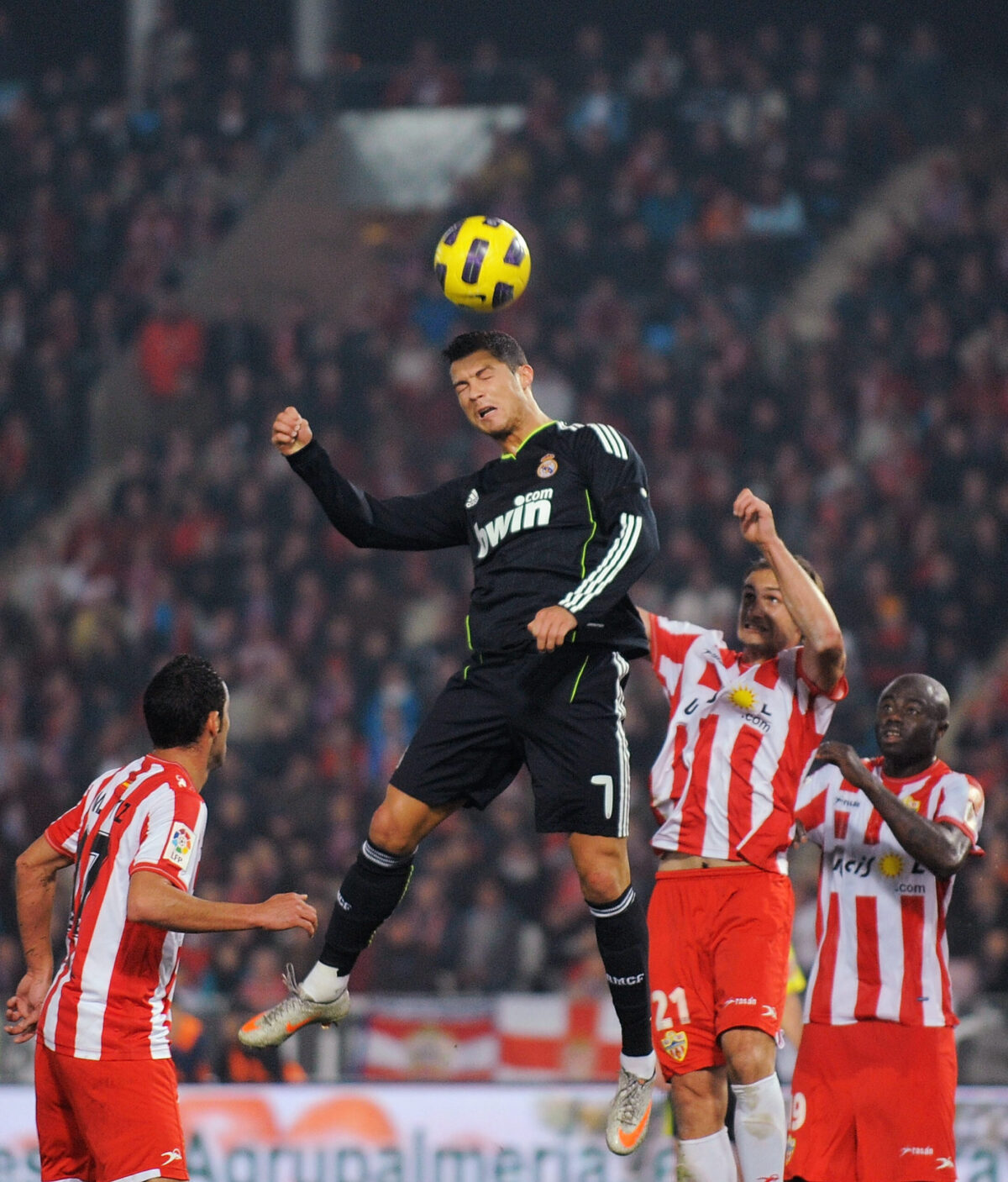
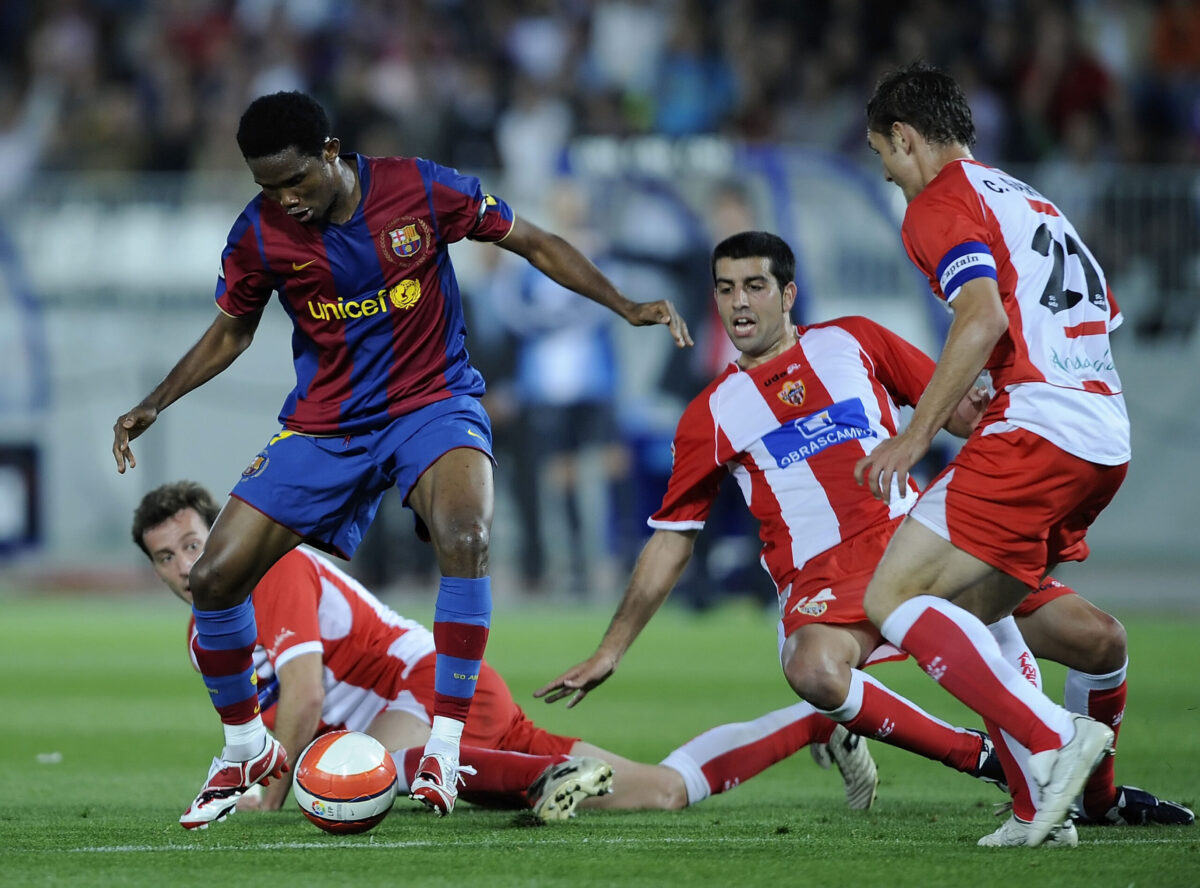
You got the chance to play against some of the greatest footballers of the 21st century, but who was the toughest player that you faced in your entire career?
As a center back, I faced a lot of great forwards, but one of the first experiences I had that was very difficult for me was with Pablo Aimar, the Argentinian who played for Benfica and Valencia. I thought he was very, very, very good. Obviously, Lionel Messi and Cristiano Ronaldo were very good, as everyone already knows, but Sergio Kun Agüero was also very difficult. I think these players were among the most difficult. I also remember facing Fernando Morientes, the Spanish striker who had played for Monaco, Real Madrid, and Valencia, and even though he was in the twilight of his career, he was also very complicated. I’d also throw in Samuel Eto’o, who was very difficult to stop due to his speed and the players who surrounded him.
After a brief spell in Türkiye, you decided to retire at 33. Would you say that you had a seamless transition to life after playing?
It wasn’t what I expected. After leaving Israel, I signed a two-year contract with a newly promoted Turkish side, and at the end of the first year, they didn’t want me to continue there. We had to negotiate, and we reached an agreement in September which meant that, because the FIFA window had already closed, I couldn’t go anywhere.
I couldn’t sign for any club, so we reached a financial agreement to terminate the contract, and that I would train in Barcelona until the transfer window opened on January 1. Then, on December 30, Jordi Cruyff, who was coaching in Israel at the time, called me and said that he thought I should continue playing, but that if I wanted to start my coaching career, I could begin working with him as an assistant on his coaching staff.
And then, well, it was a difficult decision, because you never want to retire from football, because it’s what I love most. But it was time to think about the future. I had the option of starting in a professional coaching staff, without leaving time between retiring and continuing your training, because, thanks to the training I received during my playing days, I already had the UEFA license, so I made a decision along with my family to start my career as a coach.
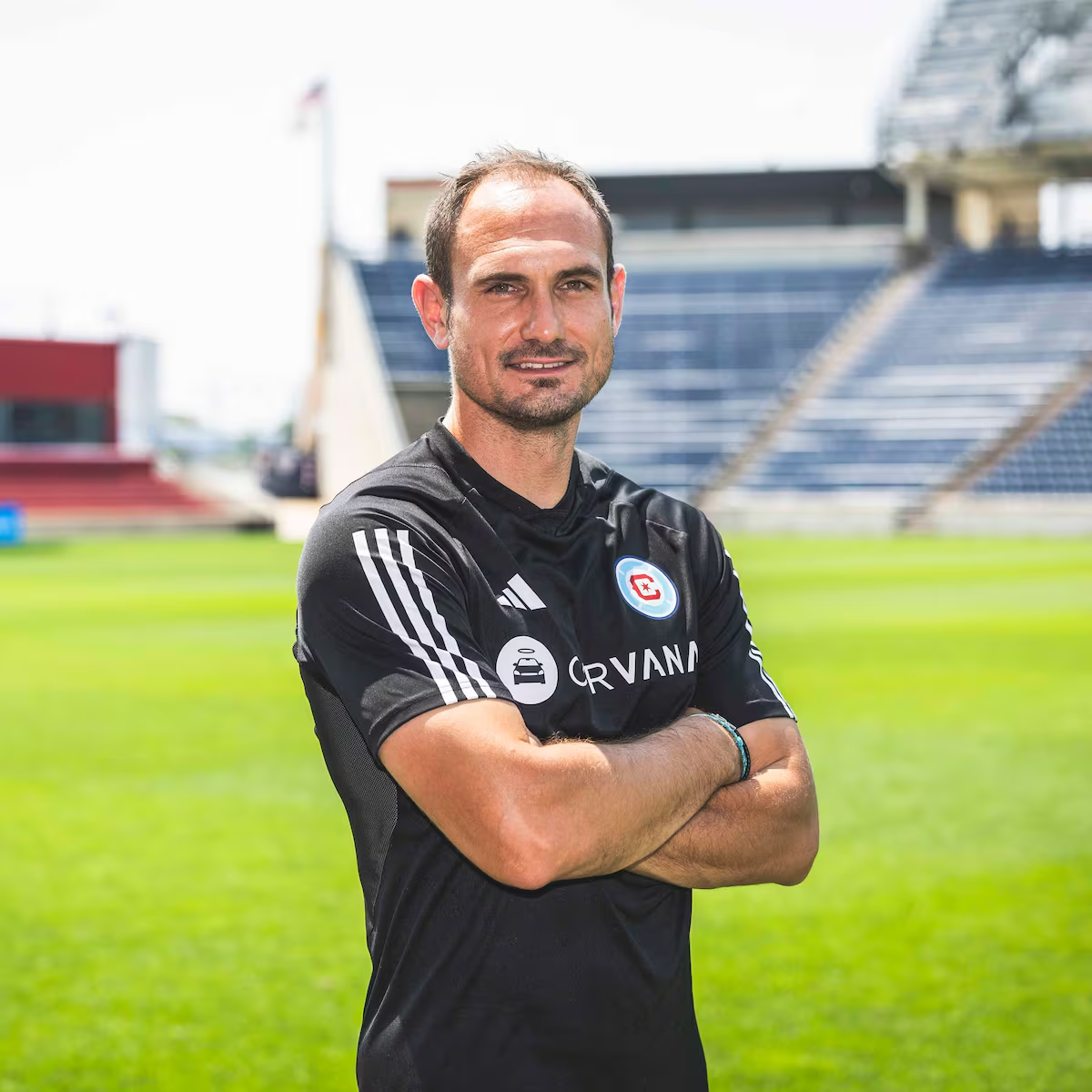
Lastly, do you have any desire to return to a head coaching role, or are you comfortable with an assistant gig right now?
It’s all about timing. There have been times when I’ve been in a hurry to be the head coach. I have a one-and-a-half-year contract here now, and I want I enjoy improving every day and helping others. Yes, I would like to be a coach at the highest level possible, but hey, I’m not in a hurry. I think that’s the final part of the journey, and right now I’m going to focus on each step. If it’s meant to be, it will be, but I’m not focused on the end of the road.