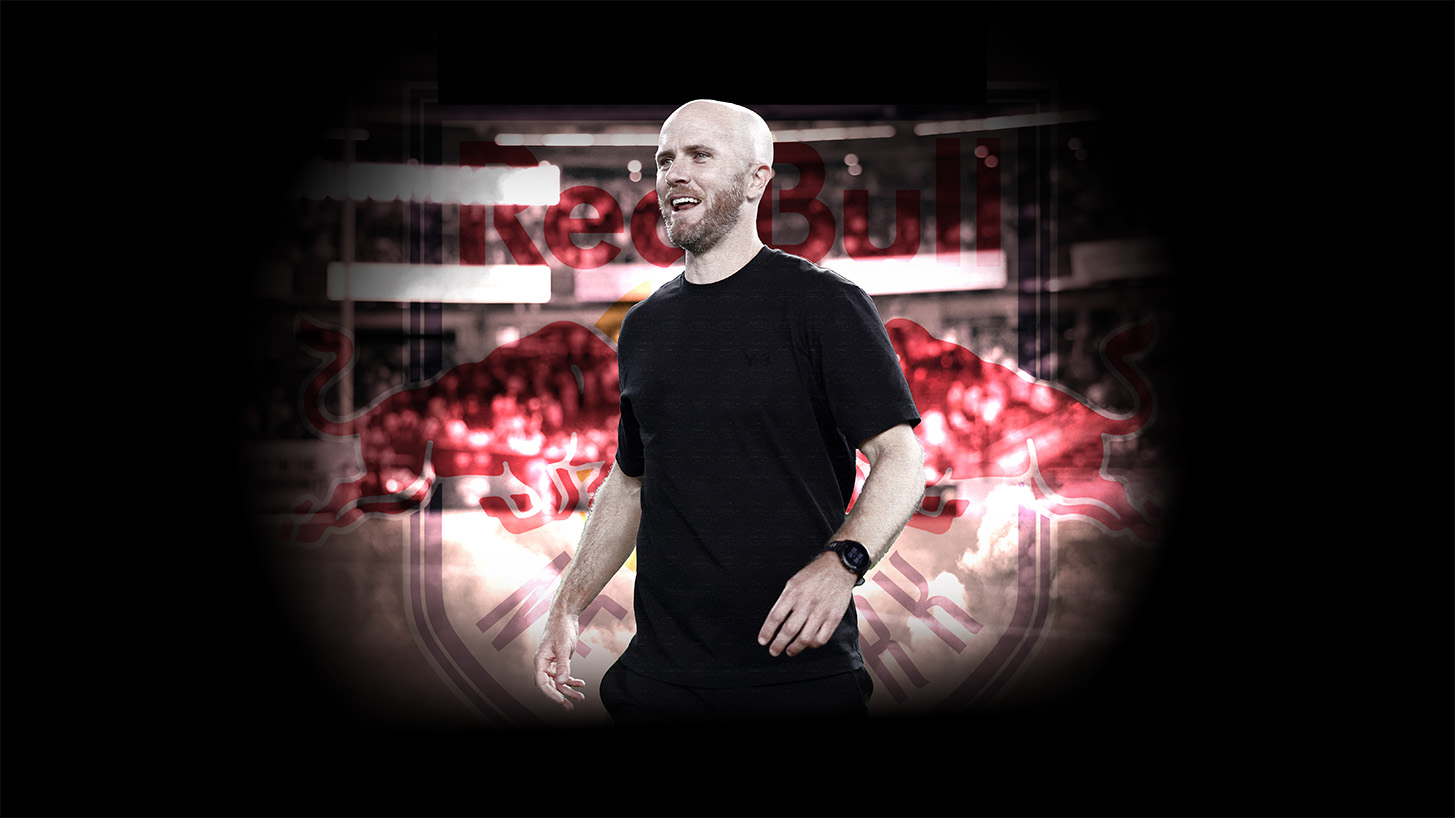
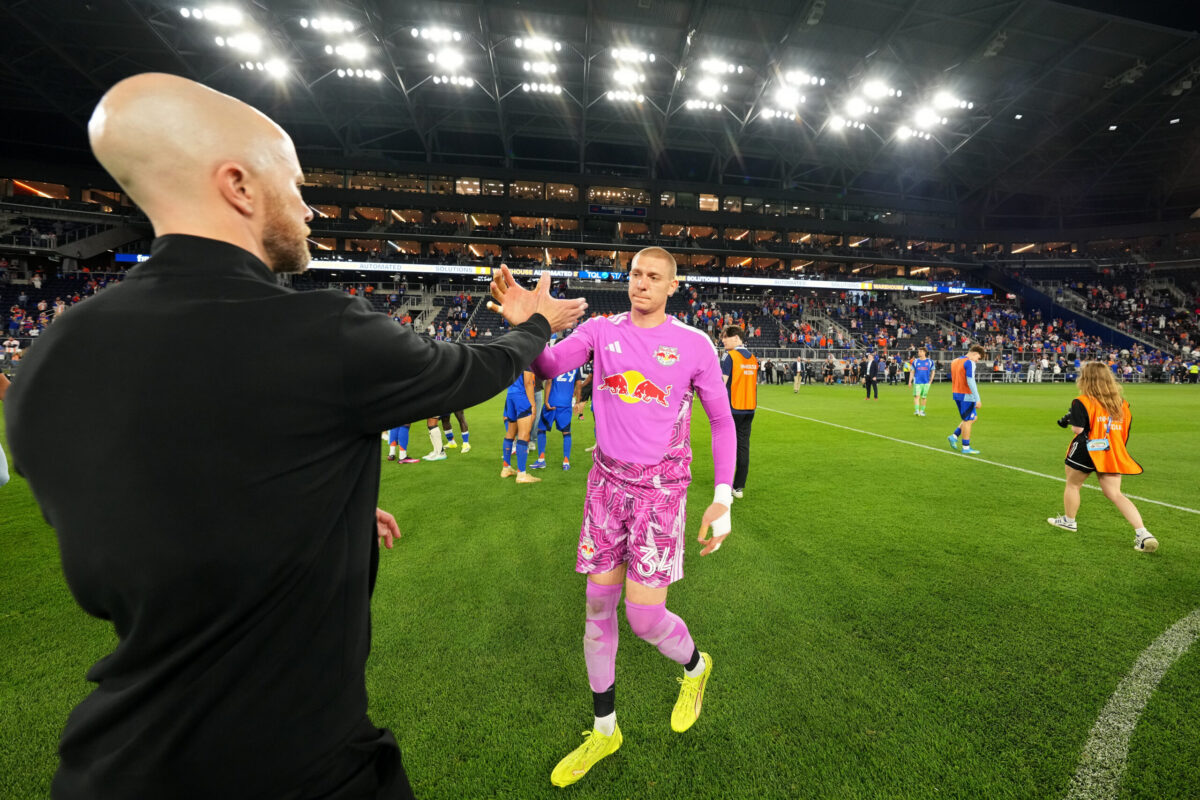
The former USMNT star has endured a frustrating first season as head coach of Red Bull New York. As Bradley’s side is fighting to keep its playoff hopes alive, we take a look at how the first-year manager has fared.
Michael Bradley is learning the hard way that Major League Soccer can be an unforgiving league for a manager. His Red Bull New York side currently sits right on the playoff line, tied on 36 points for the final wild card spot with four matches left to play.
It has been an uneven first season for the former United States men’s national team midfielder, who followed in the footsteps of his father to become a coach. His experience as a player and assistant coach may have prepared him for the ups and downs of management, but a 10-14-6 record highlights the challenges he has faced. Despite the struggles, there are reasons to believe the Red Bulls could be in a stronger position for the future with Bradley at the helm.
What Has Michael Bradley Gotten Right?
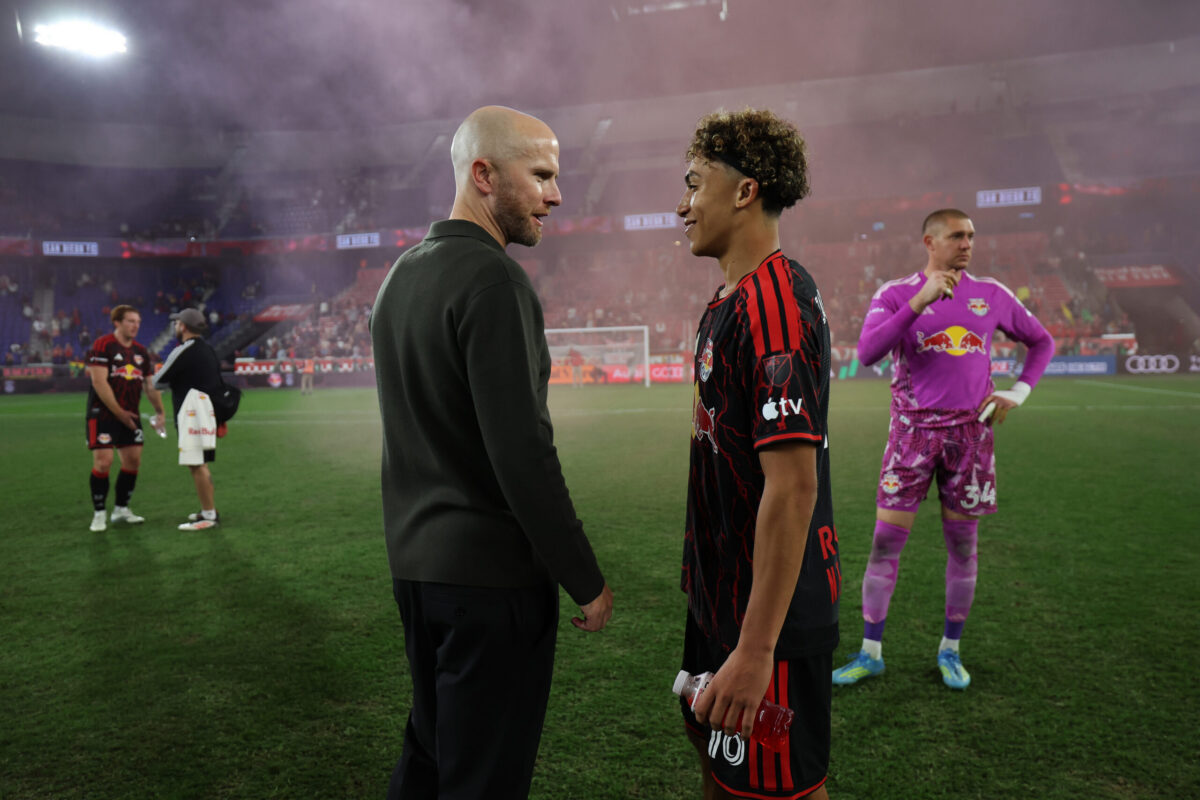
One of the clearest positives of Bradley’s tenure has been his commitment to developing young talent. Historically, Red Bull New York have helped produce or elevate promising USMNT players, from Jozy Altidore and Tim Ream to Tyler Adams.
Bradley’s current core is no different. Julian Hall, Matthew dos Santos, and Adri Mehmeti represent the kind of young talent that could benefit the club and the national team as they gain experience and become more comfortable at the professional level.
Hall has answered the call as the team’s leading scorer with 11 goals, while Ronald Donkor leads the squad with nine assists. Cade Cowell has also rejuvenated his career, contributing eight assists and two goals in 2026.
Veteran Emil Forsberg continues to make an impact, adding three goals and eight assists. However, despite those individual contributions, goals have been difficult to come by for Bradley’s side. The Red Bulls have scored just 39 times, making them one of only four teams in the Eastern Conference yet to reach the 40-goal mark in 2026.
Bradley has also maintained the club’s traditional Red Bull philosophy, keeping the team committed to its established identity. However, that approach remains a work in progress, with plenty of room for improvement.
Another positive has been Bradley’s willingness to lead from the sidelines. Hard-working and authoritative, he brings the experience and credentials of a former professional player to the role. His background gives him a foundation for commanding respect in the locker room, even as he continues to develop as a head coach.
Where Has Bradley Hit a Wall?
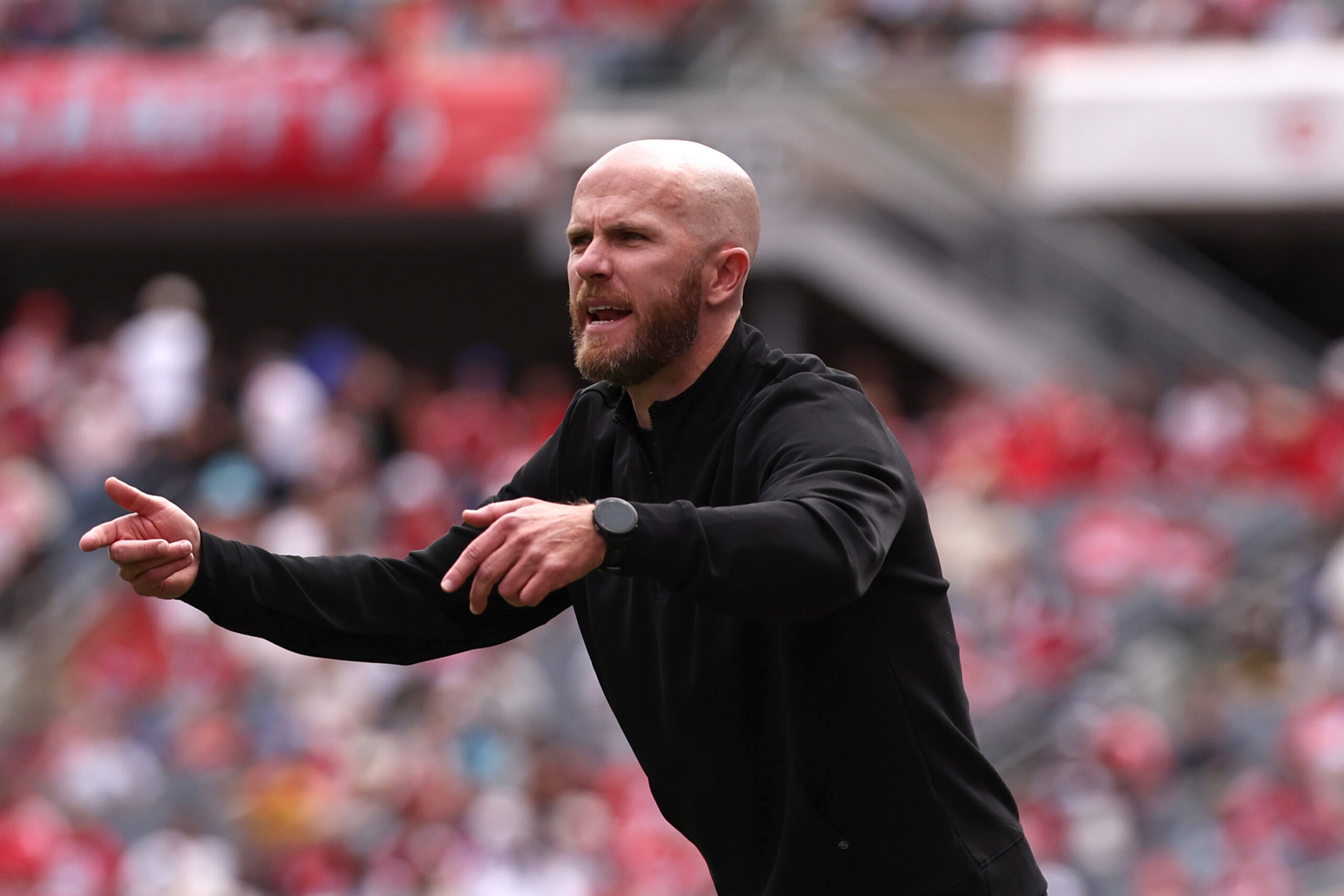
Like many American managers before him, Bradley has shown a strong commitment to his tactical principles. His preference for a 4-3-3 system has remained consistent, even when matches have called for greater flexibility against more composed or technically superior opponents.
That lack of tactical adaptability, whether driven by Bradley’s own convictions or the demands of the broader Red Bull philosophy, has been one of his biggest hurdles. Defensively, the team has struggled, conceding 56 goals in 30 matches.
Those defensive issues have repeatedly cost RBNY points, with the team struggling to protect leads and close out matches. While Bradley’s side managed consecutive clean-sheet victories against a struggling Columbus Crew and an inconsistent New York City FC, it failed to build on that momentum.
A 3-0 defeat to St. Louis CITY SC and a 2-1 loss to DC United exposed familiar weaknesses, with a 4-1 victory over San Diego FC sandwiched between the disappointing results.
The pattern reflects one of the central challenges of Bradley’s first season: establishing a consistent identity without becoming predictable. The Red Bulls can dig in and compete with the upper echelon of MLS, but their inability to maintain defensive stability has undermined those strengths.
For a young team still learning to execute Bradley’s system, growing pains were always likely. The question is whether the coach can make the necessary adjustments quickly enough to turn promising performances into consistent results.
What Are the Pundits Saying?
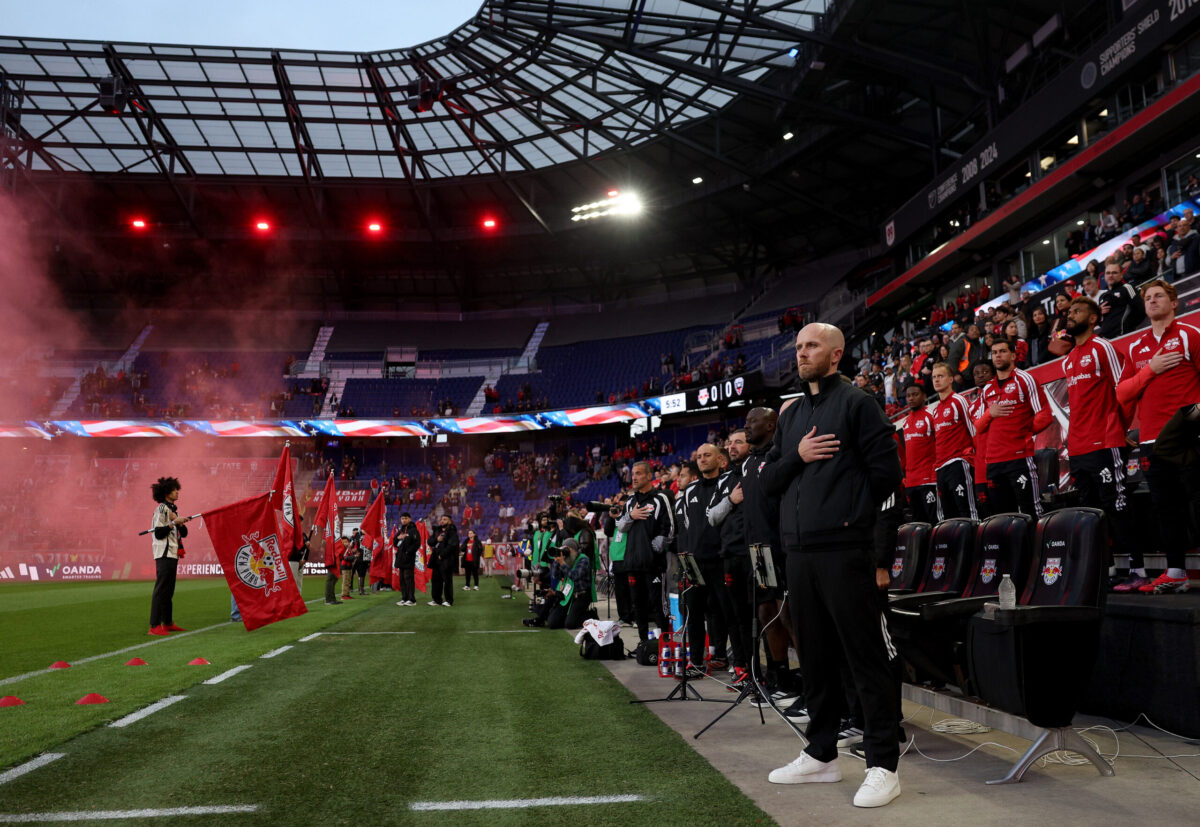
Journalist Favian Renkel told Urban Pitch that while the results haven’t been as convincing as fans would like them to be, Bradley has done well to balance established names with emerging talents, which is a particular challenge for any manager.
“Bradley deserves credit for making tough decisions, notably benching Choupo-Moting and Emil Forsberg in favor of younger players who better fit his system,” Renkel said. “In a league with MLS’ salary cap restrictions, prioritizing his tactical vision over established reputations is significant. He has done a solid job maximizing the roster he inherited, but consistency remains his biggest challenge. The Red Bulls have shown they can compete with top teams, yet dropped points against lesser opponents have been a recurring issue.”
Renkel gave Bradley an overall grade of B, pointing to the foundation he has laid by trusting younger players and building around his preferred style of play.
“Bradley has laid a solid foundation by trusting younger players and building around his preferred style of play,” Renkel said. “There is still work to do, particularly in achieving greater consistency, but his first season offers reasons for optimism about the Red Bulls’ future.”
Vasilios Skamnias of Soccer View Radio, which covers New York’s two MLS teams, offered a more measured assessment of Bradley’s first year in charge.
“Michael Bradley’s first season in charge of RBNY was always going to be a challenge, particularly after the club missed the playoffs for the first time in 15 seasons,” Skamnias said. “Expectations were modest following his success with RBNY II, with an emphasis on integrating young talents such as Adri Mehmeti and Rafa Mosquera.
“Early wins and the emergence of Julian Hall, along with contributions from Ronald Donkor and Mohamed Sofo, offered plenty of reasons for optimism. However, Bradley’s commitment to an aggressive, attack-first system also brought growing pains, particularly when the team struggled to maintain defensive structure.”
Skamnias believes the team has shown signs of improvement since the World Cup break, particularly on the defensive side of the ball.
“Since the World Cup break, Bradley appears to have found a better balance,” Skamnias said. “With a healthier back line, more consistency at center back, and Ethan Horvath growing into his role, RBNY has shown greater defensive stability while retaining its attacking identity.”
Skamnias awarded Bradley a C+, recognizing the progress made while highlighting the issues that remain.
“Bradley has made progress, but questions remain about his tactical flexibility and the team’s consistency,” Skamnias said.
Overall, we give Bradley a solid C for his work with the Red Bulls. While the team has earned some good wins and has youth on its side, which could lead to a brighter future, the Red Bulls remain prone to rigidly following a “system” and continue to be miles apart from MLS’s more established teams.
A Foundation for the Future, but Work Remains
Bradley’s first season has been a mixture of encouraging development and frustrating inconsistency. The emergence of young players such as Hall, Donkor, and Mehmeti offers genuine reasons for optimism, while the team’s defensive struggles and occasional inability to adapt tactically have exposed the limits of its current approach.
The challenge now is to turn those lessons into progress. Whether RBNY can secure a playoff spot will help shape the narrative around Bradley’s debut campaign, but the longer-term test will be whether he can develop his young core while introducing the tactical flexibility needed to compete consistently in MLS.